



Creating a Personal Mission Statement from Your Patriarchal Blessing
A patriarchal blessing can become a source of direction throughout the seasons of a woman’s life. It may speak of spiritual gifts, covenant responsibilities, family relationships, service, and promises connected with faithfulness. A personal mission statement gathers those impressions into a short, memorable declaration of how you hope to follow Jesus Christ.
This process is not about predicting every detail of the future or treating sacred counsel as a career map. It is about prayerfully recognising the principles in your blessing and applying them to real decisions in your home, ward, workplace, and community. For a Latter-day Saint woman in Australia, that may include anything from serving in a regional branch to strengthening a busy family in suburban Melbourne.
Read your blessing prayerfully
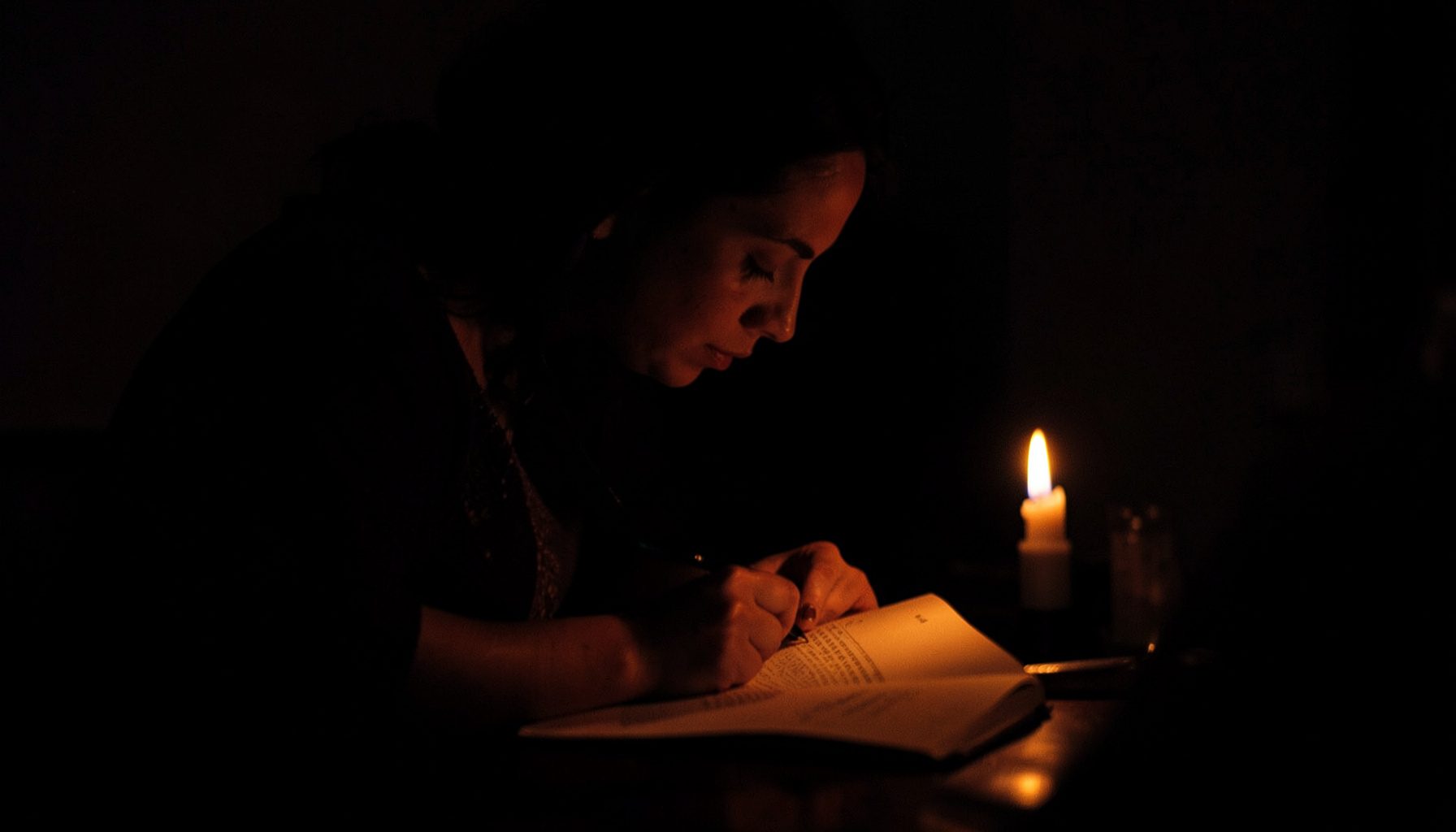
Begin by setting aside an unrushed period for study. Pray for the Holy Ghost, then read your blessing several times without trying to write anything immediately. Notice phrases that bring peace, responsibility, or a desire to become more Christlike. You might read it during a quiet morning in Adelaide, on a long train journey across Sydney, or after the children have settled for the night.
Use a notebook to record repeated ideas rather than isolated words. Look for invitations to develop charity, teach, gather, create, nurture, lead, testify, or bless your family. Also note language about covenants, the temple, missionary work, and enduring faithfully. Your response should remain personal and reverent; a patriarchal blessing is not a replacement for scripture, living prophets, or personal prayer.
Identify the covenant themes
Many blessings contain several themes that can be brought together. One woman may see a call to strengthen children and youth, while another recognises gifts for teaching, hospitality, music, or compassionate service. A promise about influence does not necessarily mean public recognition. It may refer to the quiet spiritual effect of a faithful mother, visiting sister, ministering companion, or friend.
Consider what the Lord may be asking you to become, not simply what you hope to accomplish. Words such as faithful, wise, courageous, pure, discerning, or consecrated can describe Christlike qualities that shape every assignment. The modern-day Zion perspective can help connect personal discipleship with the work of creating belonging and holiness in everyday communities.
Connect gifts with service
A mission statement becomes meaningful when it links spiritual gifts to loving action. If your blessing highlights teaching, your contribution may include family scripture study, Primary service, mentoring a young mother, or supporting someone learning the gospel. If it mentions compassion, you might be guided towards practical care for a neighbour, a new arrival, or a sister facing illness.
Think broadly about covenant womanhood. Service can happen in a Relief Society calling, around the dinner table, in a classroom, or during an ordinary conversation over a cuppa. In Australia, where families may live hours from the nearest temple or ward, small acts of connection can carry real weight. A thoughtful message to an isolated member or a meal delivered after a difficult week may strengthen Zion more than a visible project.
Draft a clear statement
Aim for one or two sentences that are easy to remember. A useful pattern is: “Through Jesus Christ, I will use my gifts of ___ to ___, so that ___.” Fill the spaces with qualities and purposes drawn from your blessing, then revise the wording until it sounds like your own testimony.
For example: “Through Jesus Christ, I will nurture faith, welcome others, and teach with patience so that my family and community may feel the love of the Saviour.” This statement does not need to mention every responsibility or predict a particular calling. It should express a steady direction that can guide decisions while allowing the Lord to reveal timing and details.
Test it against discipleship
Read the draft alongside scripture and prophetic counsel. Does it encourage faith in Jesus Christ, keeping covenants, strengthening the family, and serving others? Does it leave room for the guidance of the Holy Ghost, rather than making personal ambition the centre? A strong statement should invite humility and action, not create pressure to prove your worth.
Share it, if appropriate, with a trusted spouse, parent, Relief Society leader, or faithful friend. Their perspective may reveal whether the wording is too broad or focused mainly on achievement. Keep sacred details from your blessing private when the Spirit directs. The purpose is not to publish the blessing, but to let its principles influence your life.
Apply it to Australian life
Your mission statement should work in the circumstances you actually inhabit. A mother in outer Brisbane may live around school drop-offs, humid summers, and long drives to activities. A woman in regional Western Australia may serve across a small branch where everyone helps with multiple responsibilities. Someone in Melbourne’s suburbs may balance shift work, public transport, church service, and extended family commitments.
Write two or three practical expressions of the statement for the present season. “Welcome others” might mean noticing a new family at church, inviting a neighbour for a Sunday meal, or helping an international student feel at home. “Nurture faith” might mean a consistent family prayer, a walk-and-talk with a teenager, or a short gospel conversation during the arvo. Keep the focus on faithful consistency rather than an impressive workload.
Revisit it with faith
A personal mission statement should mature as revelation unfolds. Review it at the beginning of a new year, after a major family change, or while considering a calling, course, job, or move. The wording may remain stable even as its application changes. A statement written during young motherhood may later guide service among adult children, grandchildren, or women in the ward.
Let your statement encourage patient ministry rather than comparison. The sacred visiting care of one sister may be exactly where her blessing is being fulfilled, even when no one else sees the result. Record quiet evidences of guidance in a journal, and give thanks for progress that comes gradually through covenant keeping.
Place the finished statement somewhere you will see it during ordinary routines: inside your scriptures, beside a desk, or on a phone note. Pray over it, choose one small action that reflects it this week, and let your patriarchal blessing point you towards the Saviour in the responsibilities already before you. A faithful mission statement is ultimately a practical reminder: love God, honour your covenants, and use your gifts to bless the people the Lord has placed in your path.