
The sacred calling of a visiting teacher
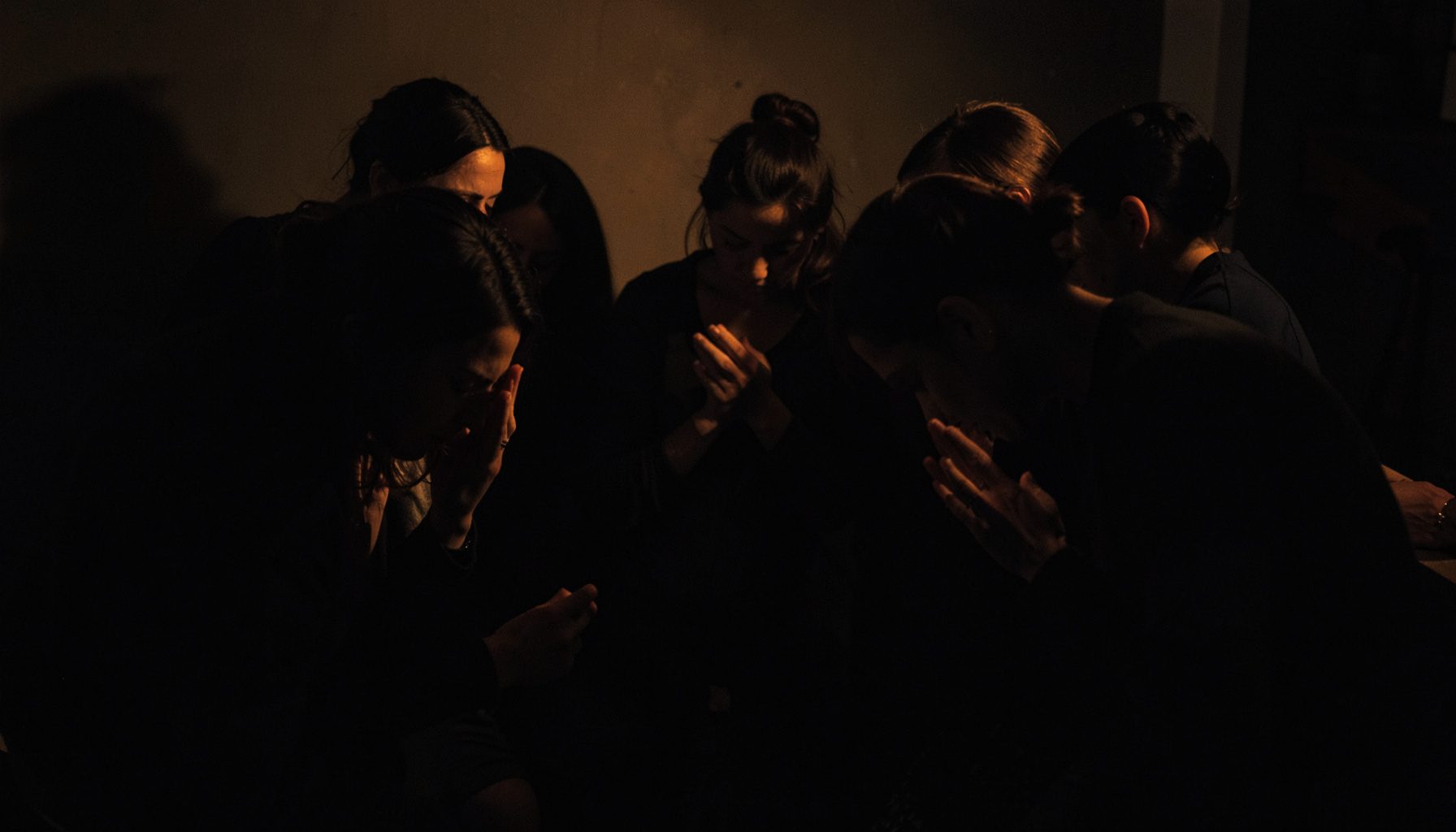
A visiting teacher does far more than complete a monthly visit. She watches over a daughter of God, seeks the Spirit, notices quiet needs, and offers friendship that can become a source of strength. Her service is part of the Lord’s work of gathering His children into a covenant community.
In the Latter-day Saint tradition, ministering is measured less by the number of visits recorded and more by the quality of love given. A message, meal, phone call, prayer, or patient conversation may carry heaven’s help into an ordinary week. The sacred calling of a visiting teacher is found in this steady, personal care.
Australian life gives this assignment its own texture. A sister may be balancing school drop-off, shift work, church responsibilities, and the long drive between townships. In Brisbane, a sudden downpour may change the plan; in Melbourne, a tram ride and a quick coffee may be the most practical way to connect. Faithful service makes room for real circumstances.
The language of ministering may have changed over time, yet the covenant responsibility remains familiar: remember one another, bear burdens, and strengthen faith in Jesus Christ. Whether a sister lives near the coast, in a regional ward, or across the vast distances of the outback, she can help another woman feel seen and remembered.
A calling rooted in covenant love
Visiting teaching begins with a relationship, but it reaches toward a covenant. The Relief Society has long taught women to care for one another, and this care reflects the Saviour’s example. He knew people by name, recognised hidden sorrow, and met individuals with compassion suited to their circumstances.
A faithful visiting teacher does not approach an assignment as a task to tick off. She asks the Lord to help her see the woman behind the calendar entry. Is she new to the ward? Is she grieving, isolated, unwell, or carrying a private concern? Does she need practical help, spiritual encouragement, or simply a safe person who will listen without rushing?
This kind of discernment does not require perfect words. It requires a willing heart and a readiness to follow small promptings. A text sent at the right moment, an invitation to sit together at church, or a sincere prayer in her behalf can become an answer to prayer.
Presence matters more than performance
Monthly contact can be valuable, but ministering cannot be confined to a schedule. Some friendships grow through regular home visits, while others develop through messages, shared errands, family activities, or a brief conversation after sacrament meeting. The aim is meaningful connection, not a polished performance.
A sister in a Sydney ward may prefer a phone call because her household is crowded and busy. Another woman in rural Queensland may appreciate a visit that includes help with groceries after a long drive to town. Someone in Perth may need consistent encouragement while her family adjusts to a new season. Wise service respects personality, culture, health, work, and family responsibilities.
Listening is one of the most generous forms of presence. Rather than quickly offering advice, a visiting teacher can ask what has been difficult, what has brought peace, and how the family is travelling. “How are you going?” is often more sincere when followed by enough quiet to receive the real answer.
Spiritual gifts become practical service
Every woman brings gifts to this work. Some are natural encouragers; others are perceptive, organised, hospitable, or calm in a crisis. One sister may know how to support a new mother, while another can help someone navigate a difficult week with employment, study, or health. These gifts are spiritual when they are consecrated to bless others.
The Family Proclamation teaches the importance of family responsibilities, yet it also reminds disciples that family life can require support from a wider community. A visiting teacher does not replace parents, bishops, Relief Society leaders, or professional care. She adds a faithful circle of friendship and helps appropriate support reach the woman who needs it.
Practical kindness can be deeply spiritual. Delivering soup, offering a lift, sharing a reliable local service, or sitting with children while a mother rests may seem small. In Australia, where distances can be wide and community ties especially important in smaller towns, these actions can communicate genuine belonging.
A ministry shaped by wisdom and trust
Confidentiality is essential. A visiting teacher should protect personal information, avoid gossip, and seek permission before involving others except where safety requires responsible action. Trust grows when a woman knows her vulnerability will be treated with dignity.
Boundaries also strengthen service. A ministering sister is not expected to solve every problem or carry every burden alone. When a concern involves serious mental health issues, domestic violence, abuse, financial crisis, or immediate danger, wise help may include contacting appropriate Church leaders and professional services. Compassion and good judgement belong together.
The work can also be supported by nourishing faith. Sharing a scripture, testimony, conference message, or uplifting reflection may open a gentle spiritual conversation. A thoughtful reflection can provide a natural starting point when a sister needs hope without feeling lectured.
Simple practices for faithful ministering
Consistency often matters more than intensity. A woman may forget an impressive gesture, but remember the sister who kept checking in, noticed her absence, or made room for her at the table. Ministering becomes powerful when love is repeated over time.
The following habits can help a visiting teacher serve with greater purpose:
- Pray by name for the women and families entrusted to your care.
- Keep simple notes about important dates, needs, and promises made.
- Make contact in a way that suits the sister’s circumstances and preferences.
- Look for practical ways to share burdens without taking away agency.
- Coordinate with companionships and Church leaders while protecting confidentiality.
- Reach out again after the first conversation, especially when a need seems unresolved.
A faithful sister can also seek inspiration about when to speak and when to remain quiet. The Holy Ghost may prompt her to share testimony, invite someone into fellowship, or simply sit beside a grieving friend. Spiritual gifts are often recognised through humble, ordinary acts repeated with love.
For contributors who want to share experiences of covenant womanhood, family, or faith with this community, the Mormon Women Stand team provides a point of connection. Stories of quiet service can strengthen other women who are learning how the Lord works through everyday discipleship.
Let love become a pattern
The sacred calling of a visiting teacher is ultimately an invitation to become more like Christ. It teaches patience, charity, observation, courage, and dependence on revelation. It also reminds each sister that she belongs to a body of believers where her joys and burdens matter.
A monthly visit may be the beginning, but faithful ministering continues in the spaces between appointments. It may look like a message before a medical appointment, a meal after a hard day, or a warm welcome at the meetinghouse on a cold Sunday morning. Begin this week by praying for one woman by name and sending her a personal message before the day ends.