
What it means to be a modern-day Zion in your community
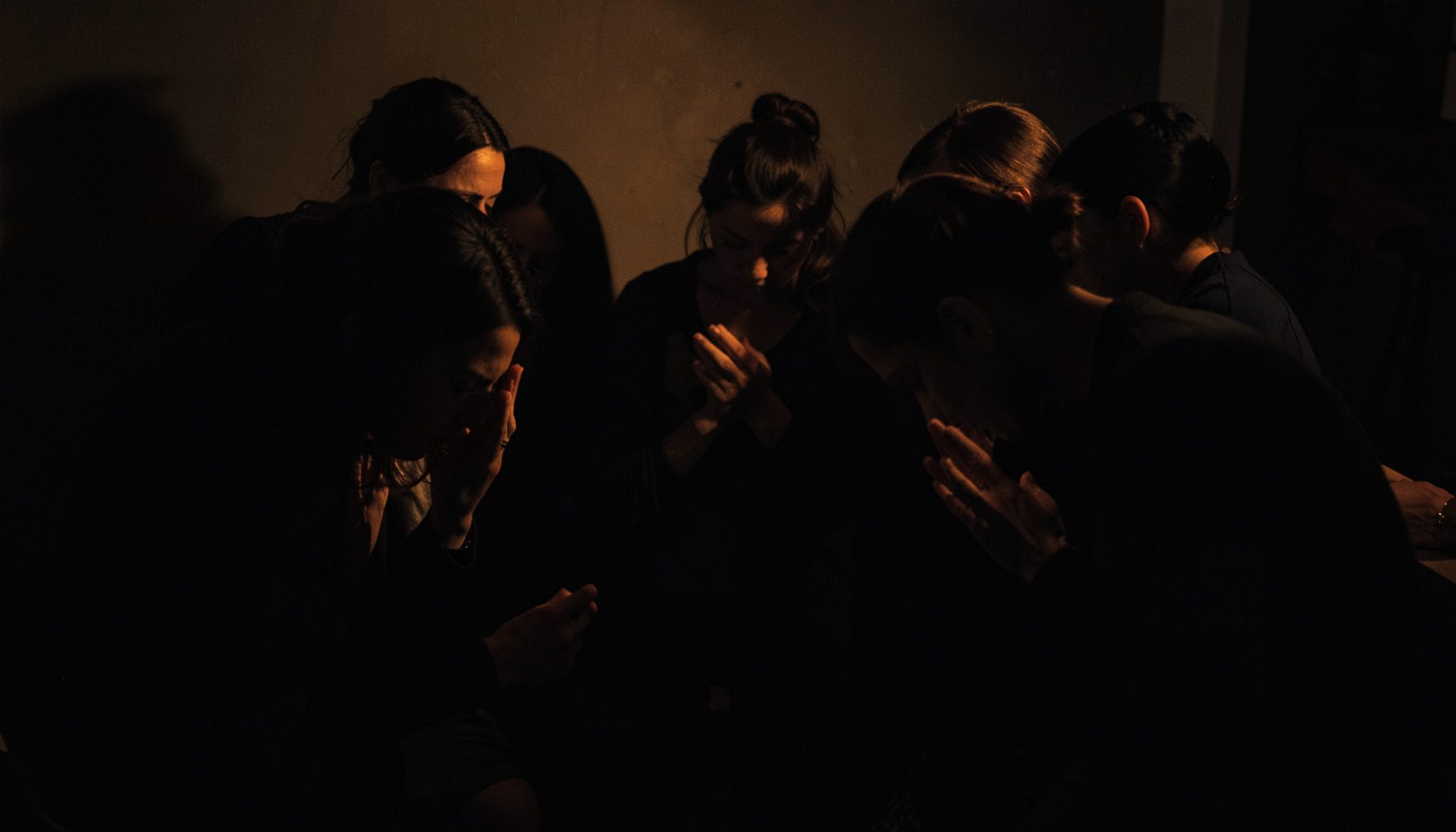
At its heart, being a modern-day Zion in your community means becoming the people God has covenanted to gather through the restored gospel. It is a living community where homes, Sunday meetings, ward activities and service become places where the kingdom of God can be recognised.
In Australia, that vision often looks ordinary: members in suburban Sydney or Melbourne living beside people who know nothing of the Church; a Perth family travelling some distance to a stake centre; or a Queensland ward functioning like a close-knit town. These settings reveal both the promise and the work of building spiritual community.
Such gathering is moral as well as geographical. It happens when members forgive, serve, submit to righteous instruction and pursue the same covenant purposes. Women contribute through covenant womanhood, spiritual gifts, ministering, teaching and compassionate leadership, while men and women retain their distinct, complementary responsibilities in the covenant family.
The stakes and branches established through the Church of Jesus Christ of Latter-day Saints are modern-day Zions, but each becomes holy through repentance, ordinances, fellowship and obedient action. A community is transformed as faith moves from private conviction into shared habits, including the teachings of the Family Proclamation and prophetic guidance.
Zion is a gathering of covenant Saints
Zion begins with relationship to God, not a postcode. The revelations teach that Zion is the gathered people of the Lord, where covenant commitments are kept and the influence of the Holy Spirit is felt. Sunday meetings, temple covenants, family prayer and service projects belong to the same sacred gathering.
Local belonging follows the same logic. When people are known by name, newcomers are welcomed and families are cared for through hard seasons, a ward becomes a body of Saints rather than a collection of attendees. The restored gospel calls Latter-day Saints to gather, prepare for the Lord’s return and keep His commandments.
The standard is active discipleship. A Zion is measured by the presence of Christ among His people: members forgive offences, share testimony, give time and resources, and make room for the poor and lonely.
Service makes local faith visible
Australian community life often runs on practical goodwill. Volunteer rotas, school newsletters, community Facebook groups and local markets or op shops connect people, while school terms, public holidays and long weekends shape when they can gather. An offer to “have a yarn” over a meal can open the way for honest friendship and faith discussions.
Service turns friendship into covenant community. A mother in a Melbourne flat might need a meal or a lift; a Perth family might need help with transport; a newly arrived family in a small Queensland town might need local knowledge. A faithful ward notices such needs and responds, turning neighbourly care into ministry without losing its ordinary shape.
Raising the next generation belongs to this work. When we teach modesty without shame, we combine gospel principles with the dignity of young women rather than treating modesty as embarrassment. Girls need to know their worth does not depend on attention, while parents teach them to serve confidently in family, church and community. This keeps households connected to the ward.
Home, womanhood and shared purpose
Covenant womanhood is not a label worn only on Sundays. It is discipleship formed through prayer, moral courage, service, and the covenants of marriage and motherhood. Its purpose is to ground a woman’s influence in righteousness, family responsibility and the gifts of the Spirit. Her voice in testimony, teaching and ministering can strengthen the whole body of Saints.
The home remains the seedbed of Zion. Under the Church’s traditional family teachings, fathers and mothers have distinct, complementary responsibilities, and children are to be taught in the faith. The Family Proclamation describes marriage and family as essential to God’s plan, shaping how couples repair trust, share burdens and teach children that belonging is covenantal.
That home is connected, never isolated, to the ward and stake. Ordination and temple covenants do not replace ordinary friendship, but they give service an eternal direction. As families gather for scripture, make decisions with wisdom and welcome others, private homes become part of the communal gathering, where female spiritual gifts and male priesthood responsibilities work in harmony.
Habits that strengthen a local Zion
A healthy community is built through repeatable choices. Decisions about education, work, marriage, family and ministry benefit from prayer and wise counsel. Guidance through patriarchal blessings can provide perspective when pressures make the next step unclear, while personal revelation keeps that guidance connected to individual agency and duty.
- Keep a steady rhythm of Sunday worship, weekday prayer, scripture study and family gatherings so faith is shared rather than left to chance.
- Welcome each new family with a meal, a practical offer of help and a named contact who can answer ordinary questions.
- Give women meaningful opportunities to teach, minister, lead projects and speak in ward meetings within the Church’s revealed order.
- Build intergenerational friendships so teenagers, mothers, fathers and older members serve together rather than living in parallel groups.
- Notice needs through Australian networks such as schools, local Facebook groups, volunteer lists and community markets.
- Remove activities that consume time without deepening faith, fellowship or service in the lives of actual families.
These habits produce more generous homes, sincere meetings and useful service. They also help a ward prepare for the future by strengthening testimony now. As members gather in testimony, minister to one another and follow the prophet’s guidance, the local community becomes a clearer expression of the covenant people God is gathering.
A faithful step forward
Zion is formed by the way ordinary disciples treat one another. The friend who stays after a difficult conversation, the father who serves an elderly neighbour, the mother who teaches her daughter to stand before God, and the young woman who shares a talent without seeking praise all contribute to the gathered people of the Lord.
Their work may be quiet, but its effects travel through homes and neighbourhoods. Sustained prayer, honest fellowship, faithful marriage, service and attention to the weak can reshape a community when each person begins with the responsibilities entrusted to her or him.
Before dinner on Sunday, send one neighbour a specific offer of help.