
Teaching our daughters the true beauty of modesty without shame
Parenting in any era brings the tender task of guiding young hearts through choices that shape identity and faith. Among the conversations that matter most to mothers and fathers in The Church of Jesus Christ of Latter-day Saints is how to talk about modest dress in a way that builds confidence rather than woundedness. Around Brisbane kitchens and Perth patios, in Melbourne suburbs and Adelaide hills, families gather each Sunday and ask how to lift their daughters toward covenant living without making their appearance a source of fear. This is a holy invitation to speak about reverence, dignity, and the quiet strength of choosing well.
The world our daughters inhabit pulls at them from many directions at once. Fashion feeds them images of bare skin and praise for revealing outfits, while social media rewards attention with little regard for virtue. When the conversation about modesty leans too heavily on what not to wear, young women can absorb the message that their worth is bound to their clothing, and that any misstep makes them unworthy of love. A faithful approach anchors the discussion in identity, where modest dress flows naturally from a daughter who already knows who she is and whose she is. Many faithful women find ongoing encouragement through resources shared at Mormon Women Stand as they seek to nurture these values at home.
Reframing modesty as a gift, not a rule
Modesty in the restored gospel is best understood as a way of expressing reverence for the body, for sacred covenants, and for the promptings of the Spirit. When parents frame it as a precious gift rather than a list of restrictions, daughters begin to see their clothing as part of a larger story of discipleship. The Young Women values of faith, divine nature, individual worth, knowledge, choice and accountability, good works, integrity, and virtue each connect to how a young woman presents herself. Modesty becomes one outward expression of an inward commitment to follow the Saviour.
A covenant woman in today's society recognises that covering her body is not a denial of beauty. Rather, it preserves something sacred. As readers explore what it means to walk this path with grace, reflections on today's covenant woman can deepen a daughter's understanding of how her choices echo her deepest beliefs.
Releasing shame from the conversation
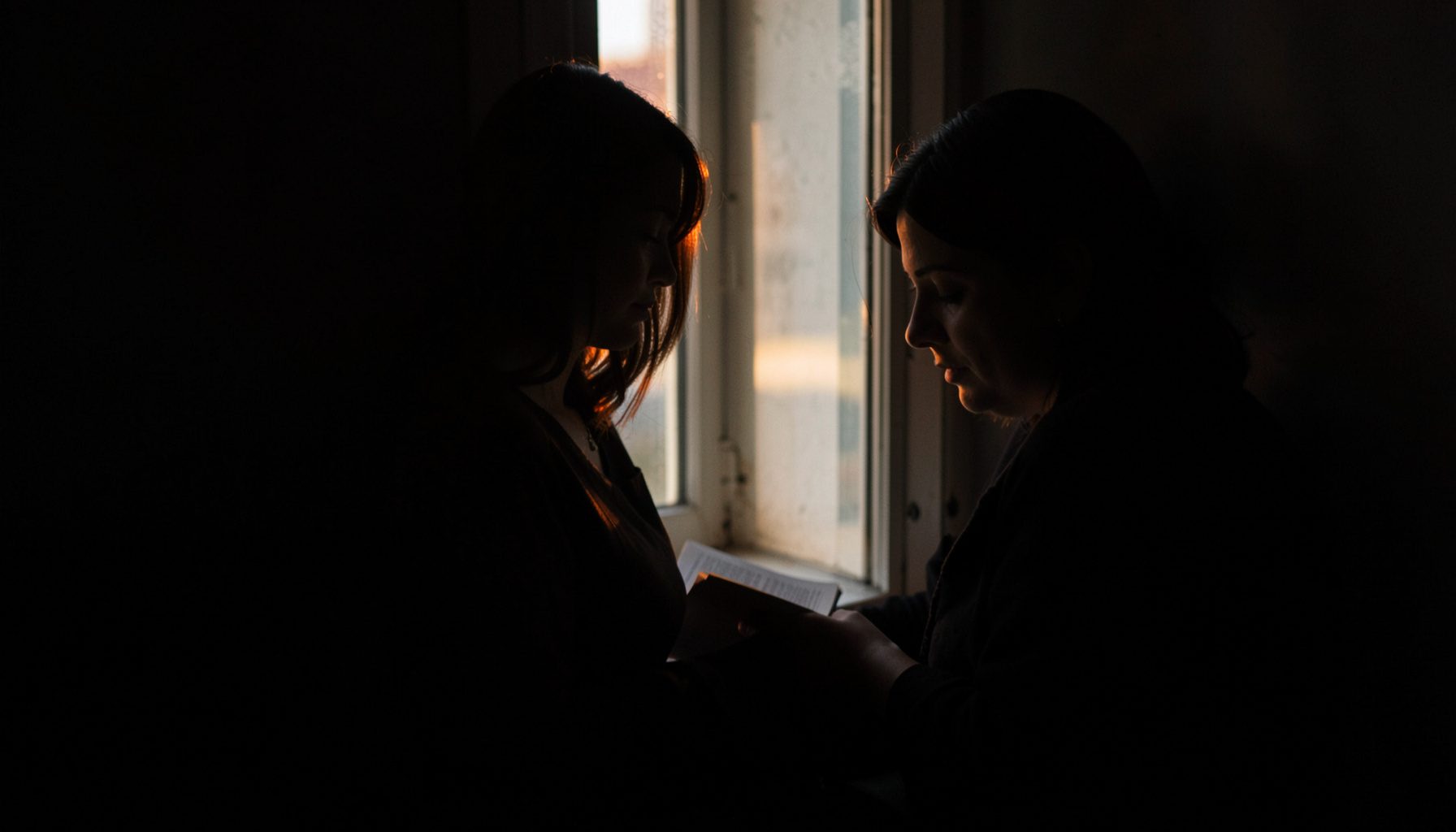
Shame often enters modesty discussions because adults sometimes speak as though daughters are guilty before they have even chosen. The Spirit teaches with gentleness, and parents can follow that pattern by inviting rather than indicting. When a teenage girl experiments with a hemline or a neckline that falls short of family standards, a calm conversation that acknowledges her desire to be seen and liked speaks louder than a sharp correction. Daughters learn far more from a parent who sits beside them than from one who stands above them.
Faith communities across Sydney and the Gold Coast have long created safe spaces where young women can ask honest questions about appearance, worth, and the pressures of school life. The aim is to nurture a conscience shaped by love, not a heart ruled by fear. As daughters grow in their testimony of Jesus Christ, they begin to feel the whisper of the Spirit prompting them toward choices that honour their bodies as temples.
Modelling what we teach
Children learn modesty first by watching their parents. A mother who dresses with quiet dignity at church, at home, and on holiday teaches volumes without a single lecture. In a country where the summer sun beats down from November through February, and where weekends often mean a swim at Bondi or a barbecue in the backyard, mothers can model modest swimwear, sun-smart choices, and clothing that feels both comfortable and respectful. The lesson lands gently when daughters see their mothers at peace with how they present themselves.
Fathers and brothers also play a quiet role. When a husband speaks warmly about his wife's appearance without ever reducing her to her clothing, he shows his daughter that she is treasured for who she is, not how she looks. Australian family life, with its blend of beach culture, weekend sport, and casual gatherings, offers countless moments to model modesty as something natural, joyful, and freeing rather than rigid.
Conversations that honour her agency
Agency is a foundational principle of the gospel, and it belongs in every modesty discussion. Rather than dictating each outfit, parents can share their own reasons for dressing modestly and invite their daughters to articulate theirs. Asking a young woman why she chooses what she chooses, and listening with respect, communicates trust. Over time, those kitchen-table conversations, often held over toast and tea before a busy weekday in places like Parramatta or Hobart, become anchors she returns to when friends or influencers pull her the other way.
The Family Proclamation affirms that husbands and wives are obligated to help one another, and that children are a heritage from the Lord. Parents who treat modesty as a shared journey rather than a top-down rule invite the Spirit to teach alongside them. Daughters who feel trusted become daughters who trust themselves.
Walking through special moments together
Australian family life includes milestones that put modesty into real practice, often before a daughter feels fully ready. Year 12 formals in Adelaide, Sydney, and Perth come with high expectations and dazzling dresses, while baptisms, youth conferences, and temple preparation evenings invite young women to consider what reverence looks like on their bodies. Parents who walk these moments alongside their daughters, helping them shop, sew, or tailor an outfit, communicate that modesty does not mean missing out on beauty.
A baptism dress, a temple recommend interview, or a special Sunday can become a teaching moment rather than a battle. When a daughter sees her mother thoughtfully selecting a sleeve length or a neckline, she absorbs a pattern she will carry into adulthood. Modesty becomes a tradition passed down with love, not a rule enforced from above.
Building worth beyond the wardrobe
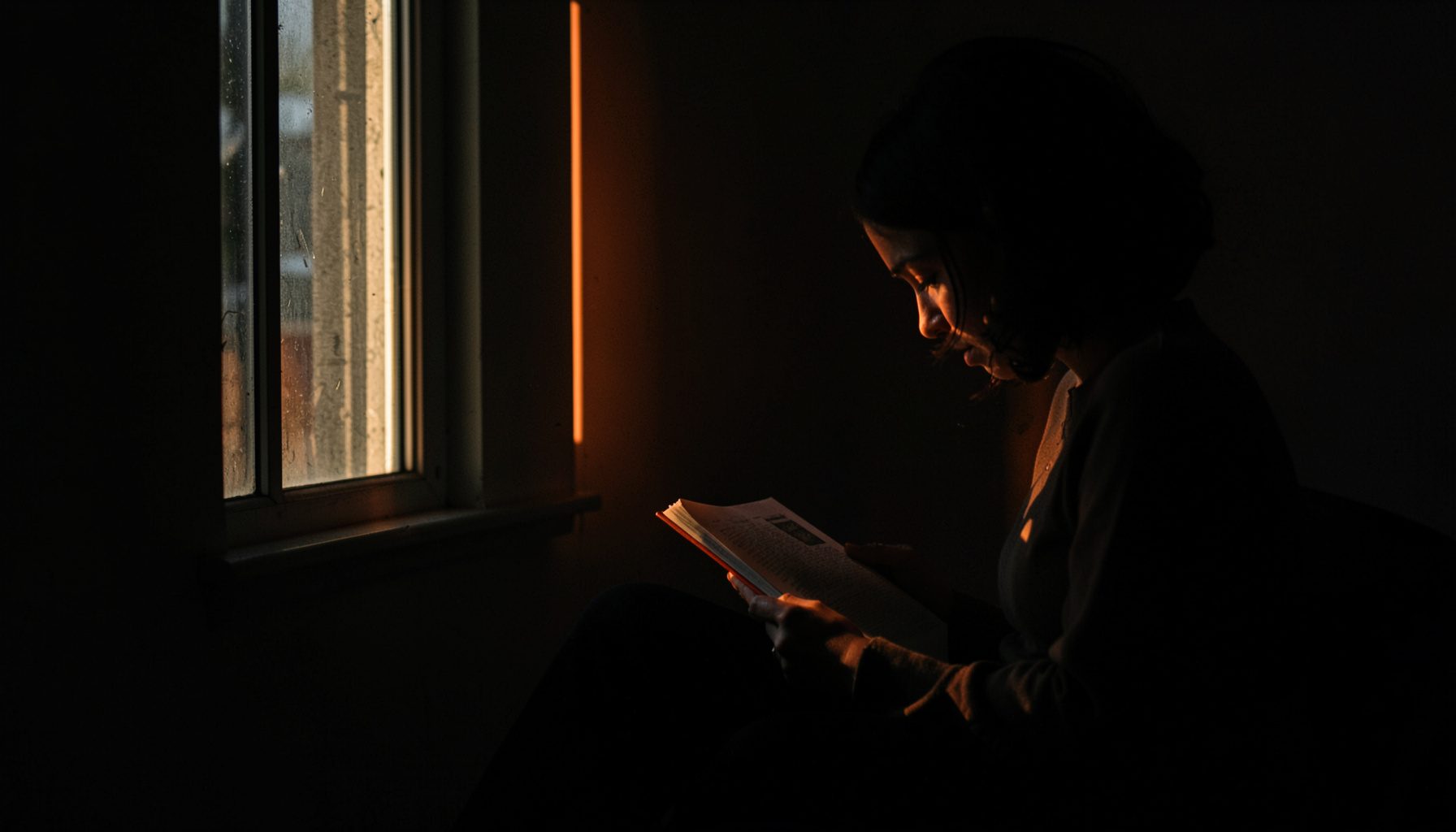
Modesty finds its deepest meaning when a young woman knows her worth is anchored in something far greater than fabric. Encouraging service in the ward, scripture study, personal prayer, and strong friendships builds an interior life that sustains her when external pressures intensify. Australian families can weave these habits into everyday rhythms, whether that means reading the Book of Mormon over breakfast in Toowoomba or attending youth activities together after school in Geelong.
As a daughter internalises that her body is a gift from a loving Heavenly Father, modest dress becomes a joyful outward expression of that truth. She dresses in a way that invites the Spirit, protects her own peace, and signals to the world that she is a daughter of God. Modesty is no longer about hiding; it is about honouring.
Practical ways to lift daughters in modesty
- Hold regular, relaxed conversations about clothing choices that feel like chats, not inspections.
- Shop together for swimwear, dresses, and everyday outfits, celebrating modest styles from Australian labels such as Cotton On Kids and Seed Heritage.
- Compliment character traits and spiritual growth more often than appearance.
- Share your own stories of learning modesty as a young woman, including mistakes you made with grace.
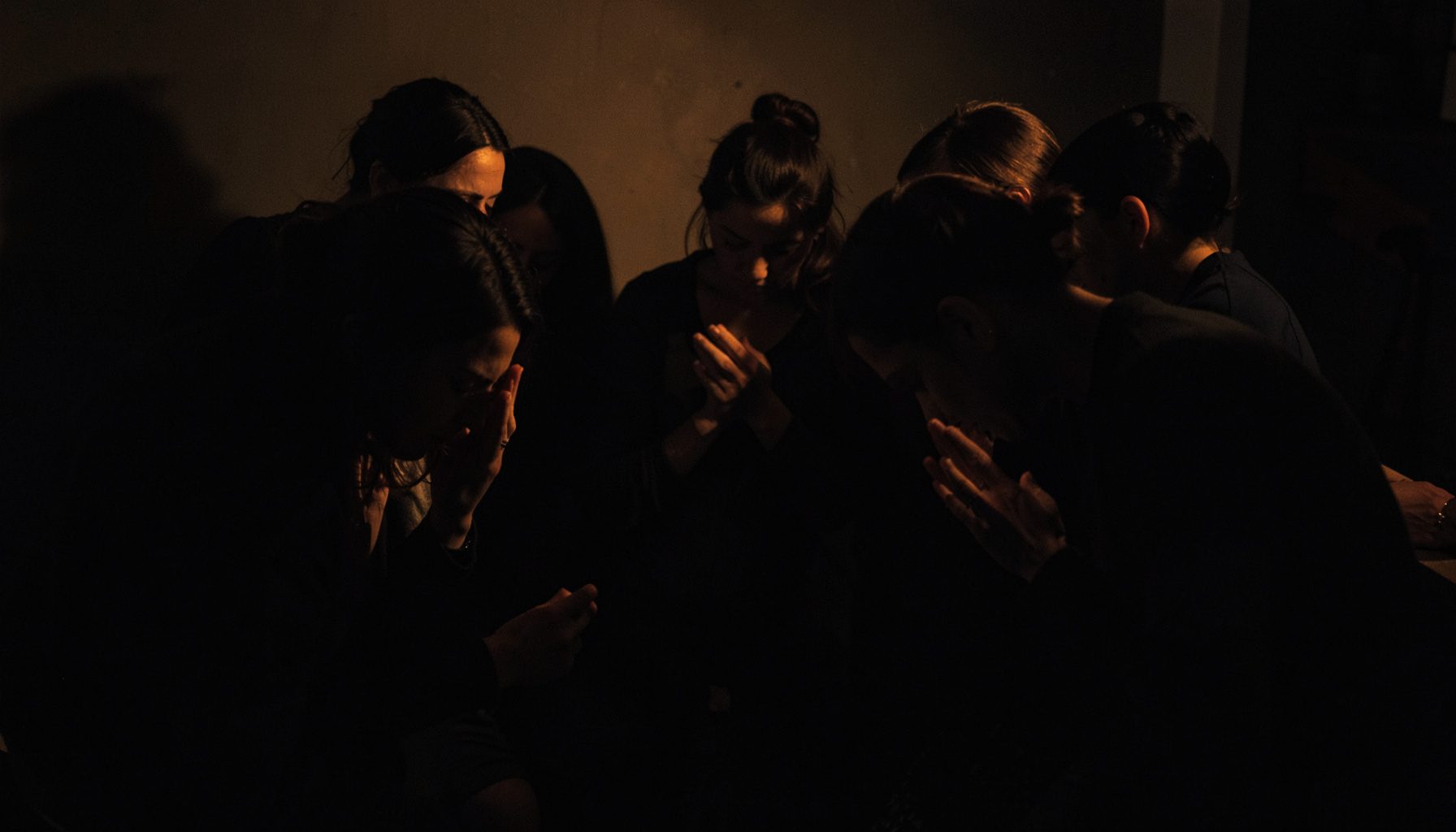
- Pray together as a family for the Spirit to guide each daughter's daily choices.
- Connect your daughter with strong female mentors in your ward who model faithful living.
This week, choose one evening to sit with your daughter over a warm drink and simply ask her what she feels when she thinks about modest dress. Listen without correcting, and let her know that her questions are always welcome at your table.