
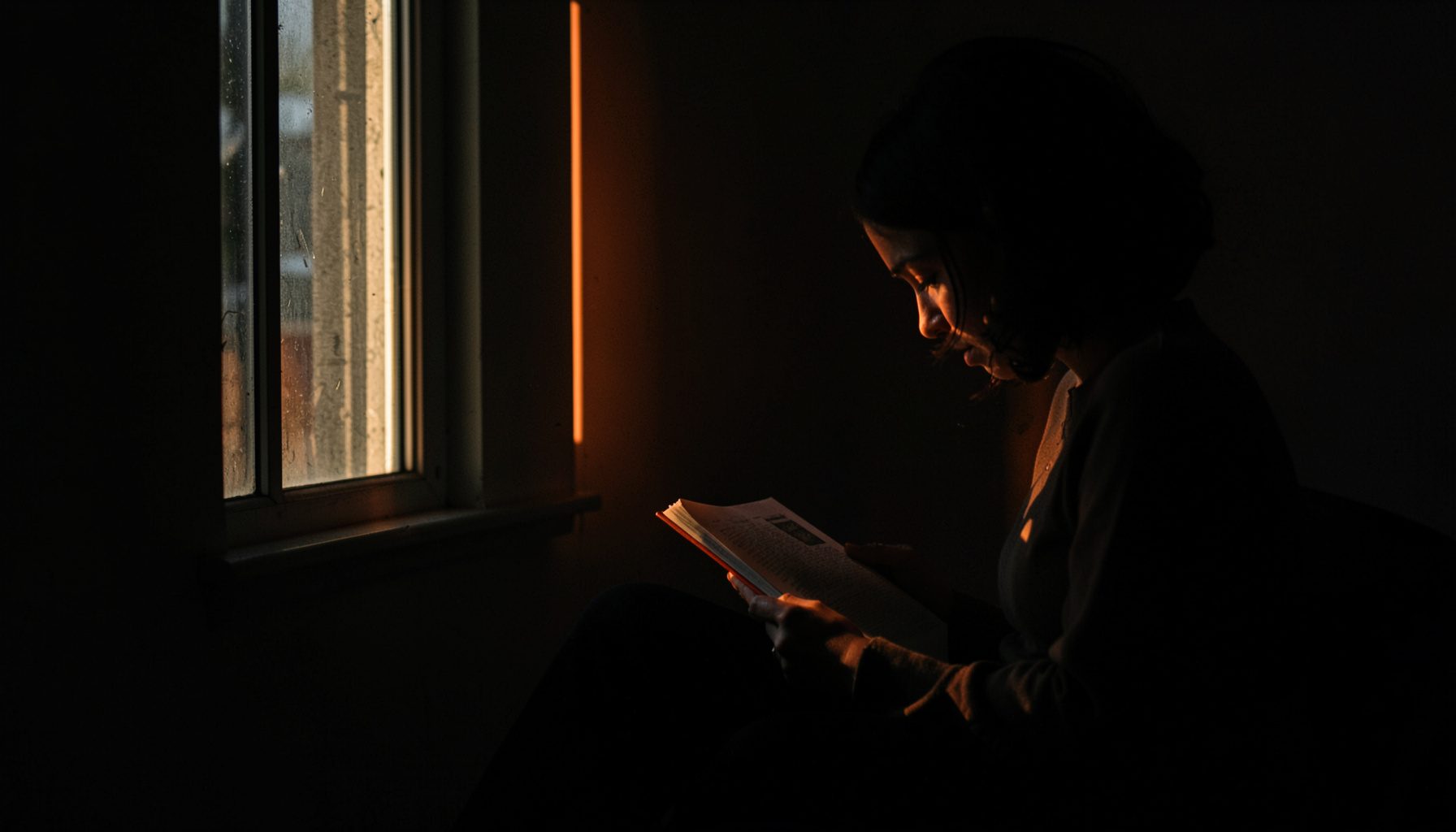
Covenant womanhood in today’s society
To be a covenant woman in today’s society is to live with a sacred sense of identity while meeting the ordinary demands of modern life. For Latter-day Saint women, covenants with God shape decisions about family, work, discipleship, service and personal growth. They offer a steady centre when public messages about womanhood shift from one season to the next.
Covenant living is not confined to a meetinghouse or a particular family arrangement. It is expressed through prayer, sacrament worship, temple promises, repentance and a willingness to follow Jesus Christ. A woman may be raising children, studying at university, caring for ageing parents, working in Melbourne’s busy professional market or serving quietly in her local ward.
Australian women also navigate realities that influence daily discipleship: long distances between family members, rising grocery and housing costs, school commitments, demanding commutes and the informal culture of weekend sport and shared barbecues. Faith must become practical enough to accompany a mother at a Saturday netball game, a nurse finishing a shift in Brisbane or a grandmother supporting family across regional New South Wales.
The Family Proclamation provides a framework for understanding the eternal importance of family, marriage, parenthood and complementary responsibilities. It does not remove individuality or spiritual gifts. Rather, it invites women to seek revelation about how their unique capacities can bless a household, congregation and community while remaining anchored in gospel truth.
Covenants give identity and direction
A covenant woman understands that her deepest identity comes from being a beloved daughter of Heavenly Parents and a disciple of Jesus Christ. This truth is stronger than job titles, relationship status, income, appearance or the approval of social media. It brings dignity to every season, including newly married life, single adulthood, infertility, motherhood, widowhood and retirement.
Covenants also create a pattern of return. No woman fulfils every responsibility perfectly, and discipleship includes mistakes, exhaustion and seasons of uncertainty. Through the Atonement of Jesus Christ, repentance is a hopeful practice rather than a public performance. Keeping covenants means turning towards the Saviour repeatedly and allowing Him to refine both motives and actions.
In a culture that prizes self-definition, covenant womanhood offers belonging without requiring uniformity. A woman can honour revealed doctrine while developing gifts in teaching, business, art, scholarship, hospitality or civic service. Her covenant relationship with God gives those gifts a purpose greater than recognition.
Family discipleship is built in ordinary moments
For many Australian families, gospel teaching happens between school drop-off, work rosters, swimming lessons and a quick trip through Woolworths or the local farmers’ market. A prayer before a difficult day, a conversation after church or an apology offered sincerely can become a lasting lesson in faith. Children often learn resilience by watching adults practise trust, forgiveness and self-control.
Motherhood is a central expression of covenant responsibility, yet it should not be reduced to a narrow image of constant calm or instant success. Mothers need support, rest and wise boundaries. Fathers, extended family, ministering brothers and sisters, teachers and ward leaders all have meaningful roles in strengthening children and protecting the home.
When children encounter ideas that conflict with gospel truth, parents can respond with both clarity and compassion. This resource on raising resilient children offers a useful lens for helping young people recognise truth, ask sincere questions and remain connected to family and faith.
Spiritual gifts belong in every setting
Covenant women are invited to discover and exercise spiritual gifts. Some gifts are visible in public callings, while others appear in patient listening, practical organisation, inspired teaching, financial stewardship or the ability to make a lonely person feel remembered. The value of a gift is measured by its capacity to bless, not by its platform or popularity.
This principle matters in workplaces and communities across Australia. A woman working in Sydney’s business district may bring integrity to competitive decisions. A small-business owner in Adelaide may create a culture of fairness. A university student in Canberra may defend religious freedom with civility. A stay-at-home mother may use discernment and creativity to make her home a place of learning and peace.
Serving through the Church can help these gifts mature. Women who feel prompted to write, speak or contribute their experience can explore the guest contributor space, where faith-filled perspectives strengthen a wider community. Sharing testimony does not require a perfect life; it requires honesty, humility and a desire to point hearts towards Christ.
Faithful presence in public life
Covenant womanhood includes responsible participation in society. Latter-day Saint women can be informed neighbours, conscientious voters, capable professionals and compassionate advocates for children, marriage, religious liberty and those who are vulnerable. The gospel encourages moral courage, yet discipleship also requires patience with people who do not share every belief.
Public engagement is most effective when convictions are expressed without contempt. At a time when online debate can become harsh and personal, a covenant woman can choose truthful speech, restraint and respect. She does not need to surrender doctrine to appear kind, nor abandon kindness to defend doctrine.
The Australian context calls for practical service. Supporting a family affected by bushfires, welcoming a new migrant neighbour, checking on someone during a heatwave or contributing to a local food drive can be covenant work. Small acts of charity often reveal the Saviour more clearly than grand declarations.
Practices that strengthen covenant living
A sustainable spiritual life grows through repeated, manageable practices rather than occasional bursts of effort. The following habits can help women remain centred amid family responsibilities, employment, study and community commitments:
- Set aside regular time for personal prayer and scripture study, even when the routine must be brief.
- Attend sacrament meeting and the temple as circumstances allow, treating worship as a source of strength rather than another performance standard.
- Seek revelation about family responsibilities, employment and service instead of comparing one household with another.
- Protect meaningful conversations with children and spouse from constant phone notifications and competing demands.
- Record promptings, answered prayers and moments of grace to recognise God’s hand over time.
- Build supportive relationships with women in the ward and wider community, especially across different generations.
- Practise repentance quickly, replacing shame with honest reliance on Jesus Christ.
Covenant discipleship becomes credible when it is visible in the way a woman treats the people closest to her. It can be seen in a calm response after a tiring day, a generous interpretation of another person’s motives and a willingness to ask for help. These choices may seem modest, yet they form a life of consecration.
A covenant woman in today’s society does not need to copy a fashionable model of success or withdraw from the world to remain faithful. She can live with conviction in Perth, Melbourne, Cairns or a regional town, carrying eternal priorities into very practical circumstances. What she should remember is that covenant identity is a living relationship with God, strengthened through Christlike choices and expressed in the way she blesses her family, ward and community.