



Let Covenants Guide Your Daily Choices
A covenant is more than a solemn promise made during a significant Church ordinance. It is a relationship with Heavenly Father, made possible through Jesus Christ, that gives direction, spiritual strength and a clearer sense of who we are. For Latter-day Saint women, covenants can turn ordinary decisions into opportunities to remember the Saviour and live with purpose.
Daily life in Australia can move quickly. Between the school drop-off, a commute on Melbourne’s trams, long distances in regional Queensland or the demands of FIFO work, there are countless moments when we must choose what deserves our time and attention. Covenants provide a steady centre when schedules, screens and social pressures compete for our loyalty.
The role of covenants in strengthening our daily choices becomes especially clear when we remember that discipleship is built through small acts. Prayer before a difficult conversation, honesty at the checkout, kindness during the arvo rush and faithful Sabbath observance all become expressions of covenant identity.
Remembering Who We Are
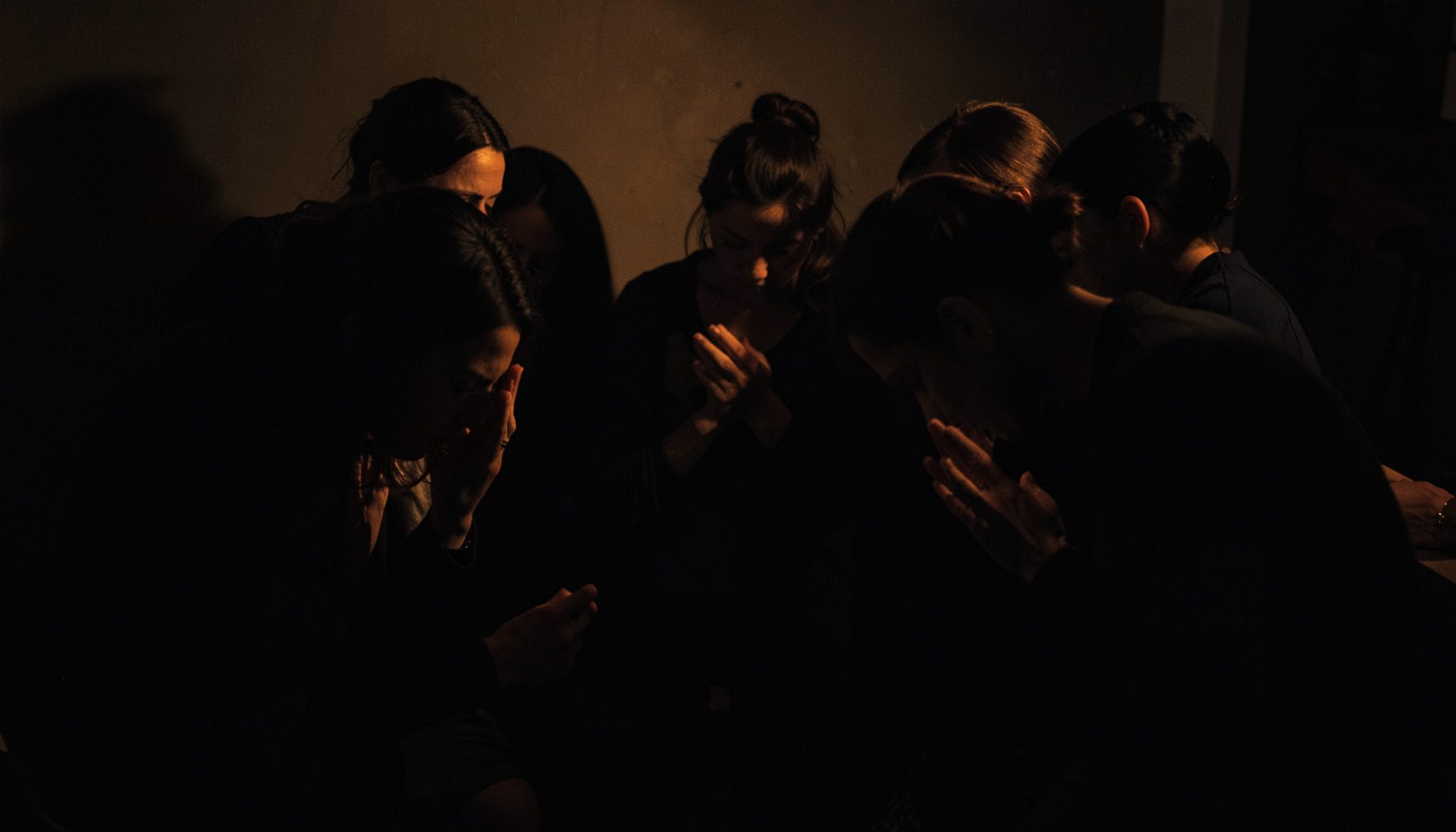
At baptism, we covenant to take upon ourselves the name of Jesus Christ, always remember Him and keep His commandments. Each week, the sacrament gives us a sacred pause to renew that commitment. This remembrance can shape choices long after the meetinghouse doors close.
When irritation rises in a crowded shopping centre or exhaustion follows a long day of caring for children, remembering the Saviour can create a moment of spiritual space. We may still need to set a boundary or correct a child, but we can do so with greater patience and charity. Covenant remembrance does not remove responsibility; it helps us carry it in a Christlike way.
Our temple covenants deepen this identity. They remind us that our worth is eternal and that our service in the home, workplace and Church has sacred meaning. A woman who knows she is a beloved daughter of God is less likely to measure herself by social media approval, career comparison or the polished appearance of someone else’s life.
Letting Promises Shape Priorities
Covenants help us decide what comes first. A family may enjoy weekend sport, coastal outings or a visit to the local market, yet worship and family prayer still need a protected place. This does not require a rigid or joyless life. It means choosing activities and habits that support the home we are trying to build.
The Family Proclamation teaches that marriage between a man and a woman and the family are central to the Creator’s plan. For mothers, fathers and single women who strengthen families in many forms of service, covenant living encourages deliberate investment in relationships. Putting the phone away during dinner, attending a child’s assembly and making time for a spouse can be acts of faithfulness.
Choosing Integrity In Private
Some of the most important covenant decisions are unseen. They occur when no one would know whether we exaggerated a story, viewed harmful content, kept a confidence or followed through on a promise. Personal integrity grows when our private conduct matches our public discipleship.
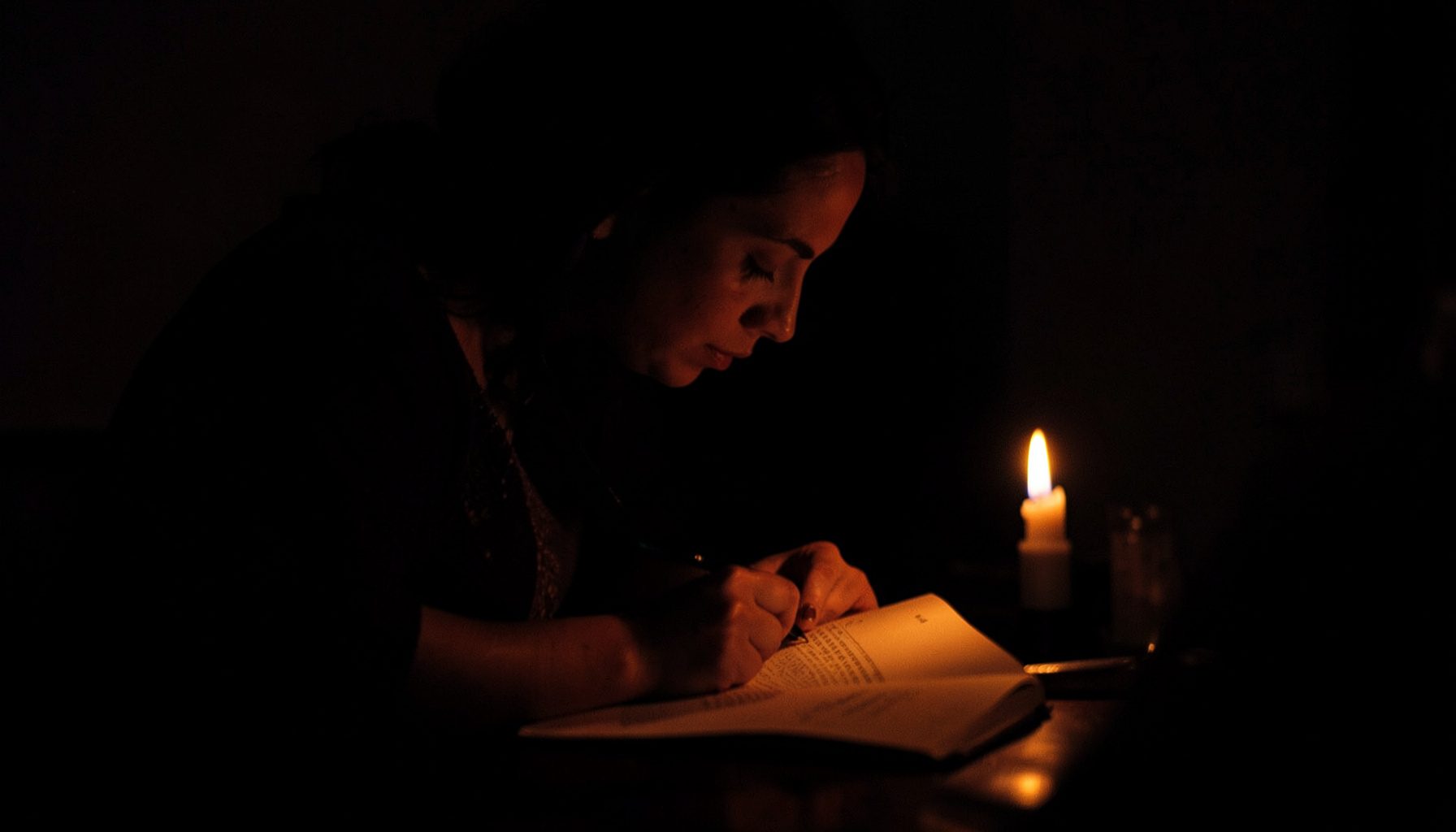
Keeping a spiritual record can help us notice that growth. A personal spiritual journal may hold impressions from prayer, answers received in scripture study or moments when the Spirit prompted a better choice. Looking back on those experiences can strengthen faith during a dry or demanding season.
Honesty also applies to money, work and digital habits. Whether completing an online purchase, managing a household budget or deciding what entertainment belongs in the home, covenant loyalty invites us to ask whether our choice reflects truth, wisdom and self-mastery rather than impulse.
Seeking The Spirit In Decisions
The Holy Ghost often guides us through quiet impressions rather than dramatic signs. Before accepting another commitment, responding to a difficult message or making a major family decision, we can pray, study and listen. Covenant faithfulness creates a pattern of turning towards God instead of relying entirely on anxiety or public opinion.
This is valuable in Australian communities where expectations can be strong and informal. The pressure to say yes to every sporting event, barbecue, school fundraiser or work function can leave a family spiritually and emotionally depleted. A peaceful no, offered with courtesy, may protect time for worship, rest and relationships.
Spiritual guidance is not a substitute for sound judgement. We gather relevant information, seek wise counsel and consider the needs of those affected. Then we trust the Lord enough to act, remembering that revelation often comes while we are walking forward faithfully.
Making Entertainment A Deliberate Choice
Covenants influence how we use our leisure. Recreation can refresh us and bring families together, but entertainment also shapes language, expectations and desires. A quick online game, a streaming choice or an afternoon at the footy can be evaluated by asking whether it leaves the home more peaceful and the spirit more receptive.
Even light entertainment deserves thoughtful boundaries. An article about spinning the reels may appear harmless, yet covenant-minded decisions include awareness of gambling, addictive patterns and the example set for children. Wisdom is not about fearing every form of recreation; it is about recognising when amusement begins to control attention, money or behaviour.
Families can establish clear standards together, including limits for devices and respectful ways to disagree. When children understand that these choices arise from love and eternal priorities, rules become part of a shared discipleship culture rather than a constant contest of wills.
Finding Strength Through Repentance
No one keeps covenants perfectly. We sometimes speak sharply, neglect prayer, lose our temper in traffic or choose convenience over service. The gospel of Jesus Christ offers a hopeful path back through repentance, the Atonement and renewed commitment. Failure need not become an identity.
The sacrament is a weekly invitation to begin again. With humility, we can confess wrongs to the Lord, repair what we can and seek help from priesthood leaders when appropriate. Covenant keeping includes returning to the covenant path after we have wandered from it.
Women also strengthen one another by sharing faithful experiences without pretending life is effortless. A message to a Relief Society sister, a visit to someone isolated during winter or a note sent across the miles can remind another disciple that she is not walking alone. Those who would like to connect with the platform can use the contact page to share a contribution or reach out.
A practical way to live this pattern is to pause each morning and choose one covenant-based action: pray before reacting, keep the Sabbath more intentionally, speak with charity, record a spiritual impression or give undivided attention to a family member. Small choices, repeated with faith in Christ, gradually make covenant living visible in the rhythm of everyday Australian life.