
Keeping a Sacred Record of Spiritual Experiences
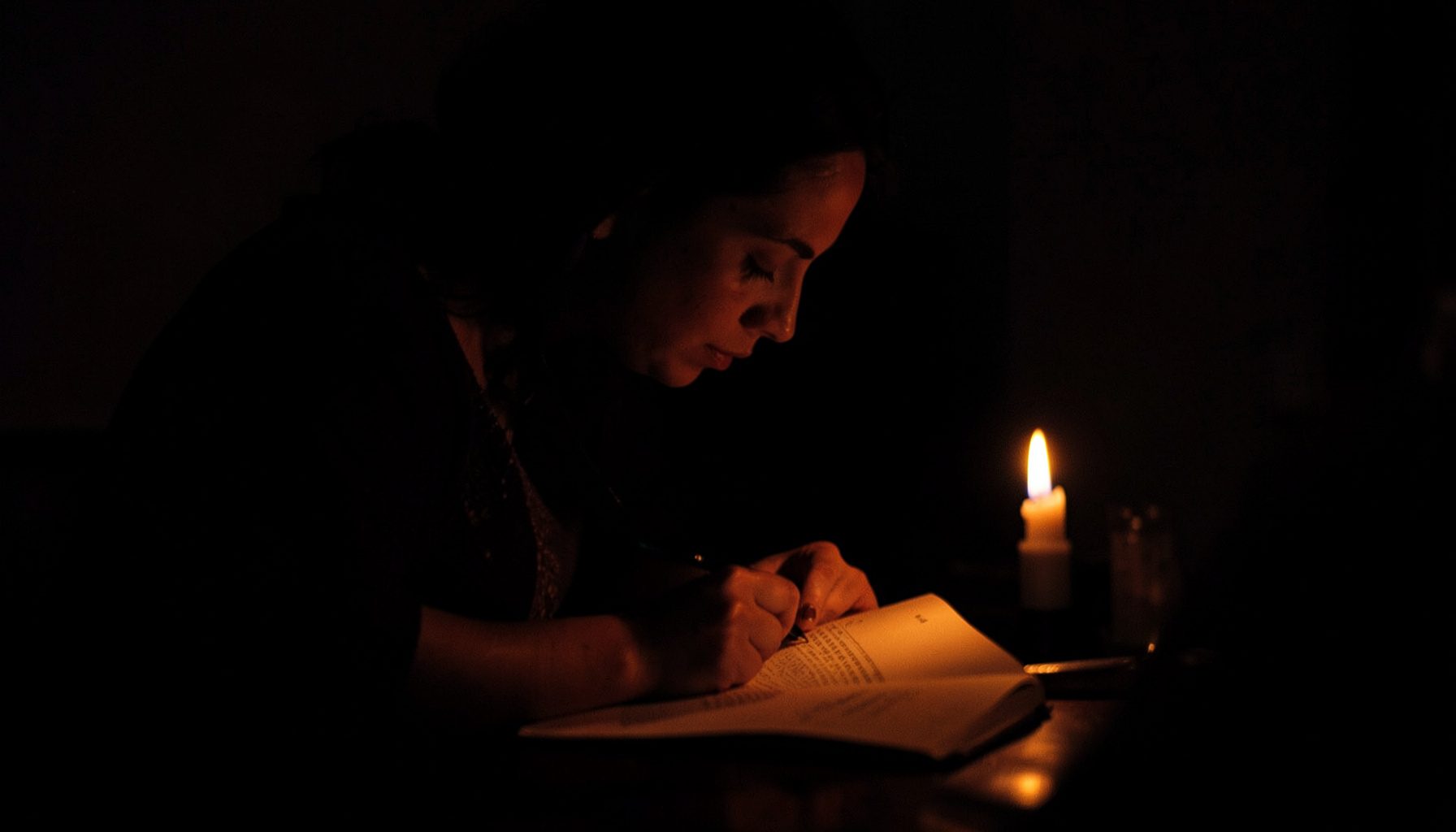
A personal journal can become a quiet place where faith is remembered, tested, and strengthened. In daily life, spiritual impressions may arrive as a peaceful thought during scripture study, a prompting to call someone, or reassurance received while kneeling beside a child’s bed. Writing these moments down gives them a lasting home.
For Latter-day Saint women, recording spiritual experiences can also help us recognise the Lord’s hand in ordinary family life. A busy mum in Brisbane, a grandmother in regional Victoria, or a university student catching a tram across Melbourne may each receive guidance in ways that feel small at the time. Years later, those details can carry remarkable spiritual weight.
Keeping a personal journal of spiritual experiences is not about creating a polished account of perfect discipleship. It is an honest record of learning, repentance, covenant keeping, and divine help. Some entries may describe joy; others may preserve a hard-won witness that became clearer through grief, uncertainty, or patient prayer.
A spiritual journal can bless both the writer and her family. It may become a source of courage during a difficult season, a testimony for children, or a reminder that revelation often unfolds gradually. When faith feels tired, remembered light can help us keep walking.
Make Room For Quiet Revelation
Spiritual impressions are often gentle rather than dramatic. They may come while preparing school lunches, driving home after a long shift, or listening to a General Conference message on a Saturday morning. A journal helps us pause long enough to notice what the Spirit may be teaching.
The record does not need to be elaborate. A date, a few sentences, and a note about what was felt or learned can be enough. Some women prefer a bound notebook beside their scriptures; others use a private digital document. The most useful system is one that can be maintained through busy school terms, wet winter evenings, and the unpredictable rhythm of family life.
Writing soon after an experience can preserve details that memory later softens. Note the scripture, counsel, conversation, or circumstance that prompted the impression. Then record the action that followed. Over time, these entries may reveal patterns in how the Lord guides you.
Strengthen Faith Through Remembering
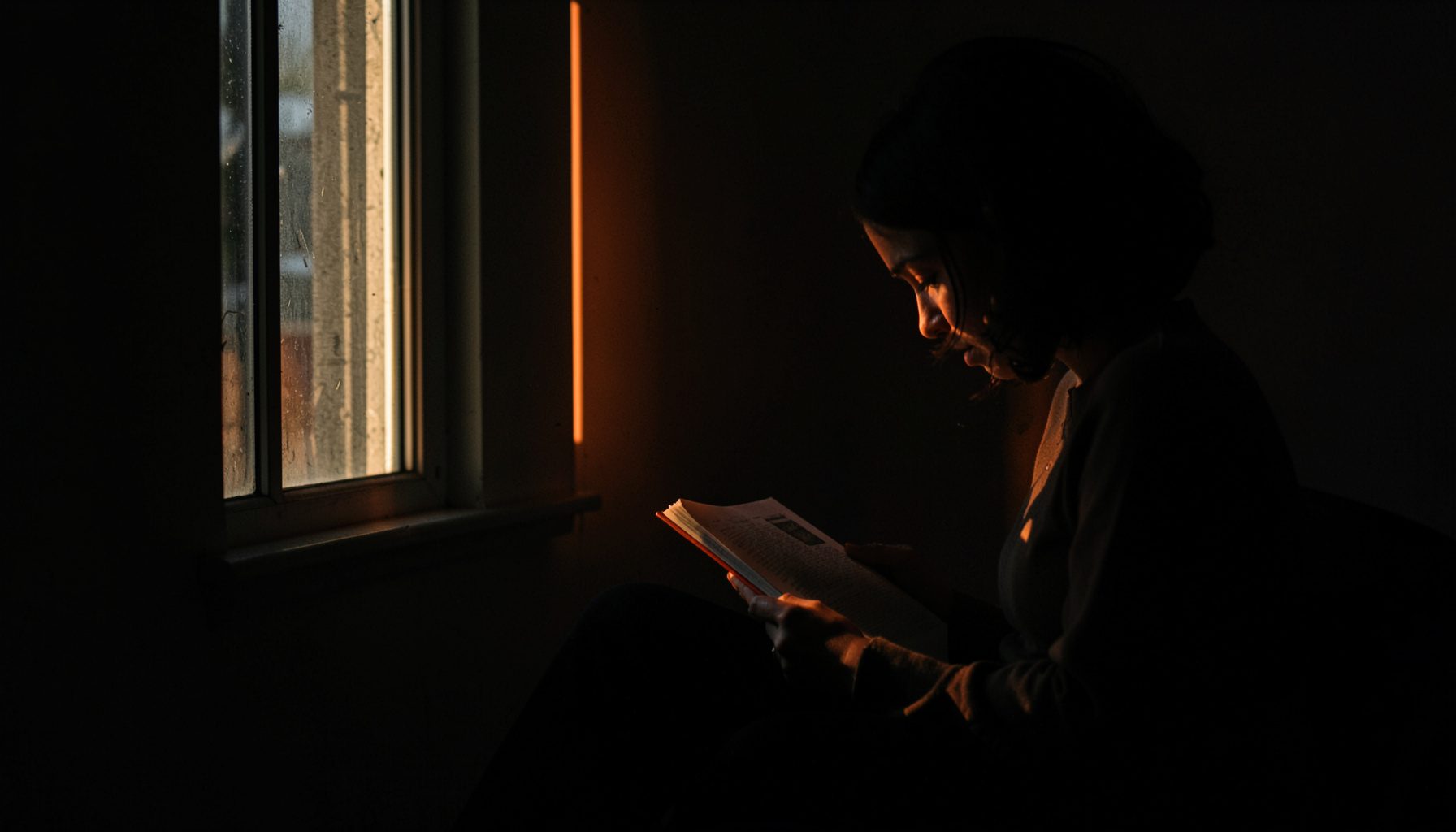
The Book of Mormon repeatedly invites God’s children to remember. A written spiritual history gives that invitation a personal shape. Reading an old entry can show how a concern once felt overwhelming, yet was met with strength, wise counsel, or an unexpected answer.
This practice is especially valuable when prayers seem unanswered. A journal does not remove every question, but it can show that the Lord has been present across months and years. A woman may see that a prompting to study the Family Proclamation, seek priesthood counsel, or make peace in her home was part of a larger preparation.
Remembered experiences can also deepen confidence in prophetic guidance. For parents teaching children about faith, family, and covenant identity, a personal record makes testimony more grounded. The counsel becomes connected to real decisions and lived obedience rather than remaining an abstract idea.
Preserve Lessons For Family Life
A journal can hold the spiritual lessons that emerge through motherhood, marriage, service, and discipleship. Perhaps a daughter’s question leads to deeper study, or a son’s struggle prompts a mother to pray for greater patience. These moments can shape the atmosphere of a home long after the original conversation has passed.
Women who are raising boys may find strength in recording impressions about honour, responsibility, and reverence for priesthood service. The principles explored in raising respectful sons can become more meaningful when connected with specific family prayers, teaching moments, and examples witnessed at church or at home.
A spiritual journal can also protect tender experiences from being lost in the rush of the week. Write about a family home evening that changed the tone of the household, a sacrament meeting thought that answered a private concern, or a moment when forgiveness brought peace. These records may later help children understand the faith that shaped their family.
Write With Charity And Truth
Spiritual writing should be sincere, but it should also be wise. Private journals may include sensitive family matters, personal struggles, or impressions about other people. Recording truth does not require exposing someone else’s weakness. Use names carefully, preserve confidentiality, and write in a spirit of charity.
This is important when documenting conversations about difficult cultural and moral questions. Resources that encourage loving, clear conversations can help families speak with compassion while remaining faithful to revealed doctrine. A journal can record what was learned, how the Spirit guided the conversation, and where greater humility is still needed.
It is also wise to distinguish between personal impressions and doctrine. A prompting may guide an individual decision without becoming a universal rule for others. Keeping that distinction clear allows the journal to remain a record of discipleship rather than a collection of assumptions.
Create A Practice That Lasts
Consistency matters more than length. Some women write every night; others set aside ten minutes on Sunday afternoon after church. A regional family in Western Australia may choose a quiet time before the week’s travel and work begins, while a mother in Sydney may write after the children are asleep. Even a monthly review can preserve significant spiritual milestones.
Consider keeping a simple pattern: what happened, what I felt, what I learned, and what I will do. This structure can turn scattered memories into a meaningful account. Add scriptures, conference quotations, prayers, or brief descriptions of places where spiritual understanding came—perhaps beside the Murray River, during a bush walk, or in a quiet chapel after sacrament meeting.
Protect the journal from becoming another burden. A sentence of gratitude, a recorded answer to prayer, or a short testimony is enough for one day. The purpose is to notice the Lord’s work and respond faithfully, not to produce beautiful prose.
A personal record becomes especially precious when revisited with prayer. It can reveal growth that is difficult to see in the present and help a woman recognise that covenant living is built through many quiet choices. Begin today by dating one page, recording a spiritual impression from the past week, and writing the next faithful step it invites.