



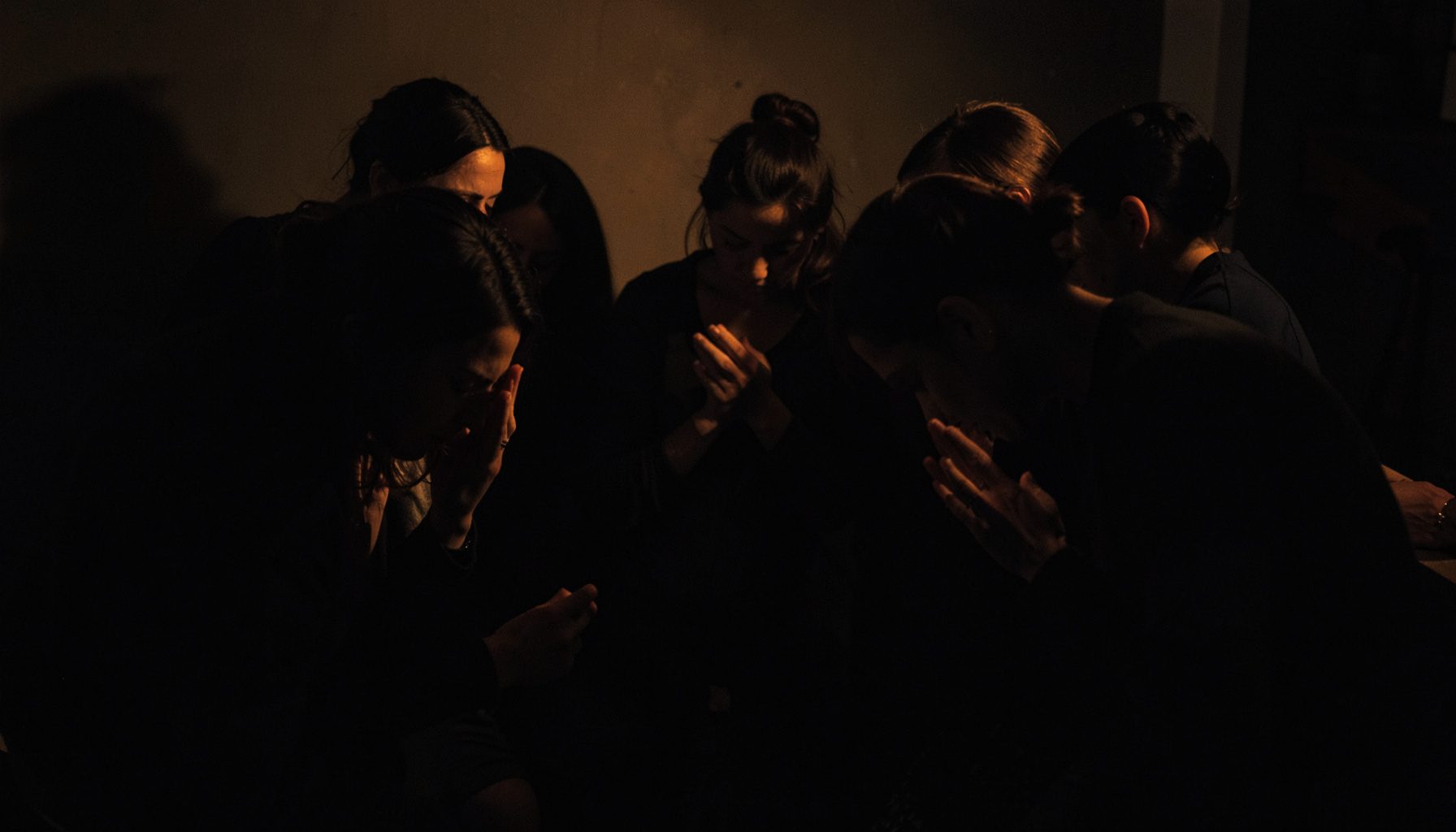

Having the Conversation on Same-Sex Attraction with Genuine Love
In many LDS households across Brisbane, Sydney, and Melbourne, a quiet conversation has been waiting years to begin. It lives between a parent's prayer and a child's unspoken worry, between a Sunday lesson on the Family Proclamation and the personal reality of a brother, sister, or friend. Same-sex attraction is not a new subject, yet for too long it has been treated as too delicate for the chapel foyer or the kitchen table.
Scripture calls us to speak the truth in love, and that phrase sits at the heart of how this topic deserves to be handled. Clarity without warmth leaves those who experience these feelings isolated. Warmth without clarity leaves people unsure of how their discipleship fits together. Finding both at once is the work of every family, leader, and friend who wants to walk faithfully alongside someone they love.
Australian Latter-day Saint women are known for being willing to have a proper yarn about hard things. The cultural instinct to give everyone a fair go, to listen before reacting, and to draw alongside is exactly the tone this conversation requires. It is also the tone Heavenly Father models when He beckons His children closer in their most tangled questions.
This is why we keep talking. Real people in our wards, Relief Societies, and homes are waiting for a safe place to bring honest questions and hear both compassion and doctrine.
The Quiet Reality Behind Closed Doors
Every chapel in Australia has members whose experience includes same-sex attraction, even when the topic rarely surfaces in testimony meeting. Some are single adults navigating a gospel-centred life without an obvious companion. Some are parents watching a beloved child reconcile faith and identity through a difficult school year. Each story carries real weight and deserves to be named, not whispered about.
Silence often grows from fear. A sister may worry that asking will push a friend away. A father may hesitate because he does not want his son to feel rejected. A young woman herself may stay quiet because she has heard the topic mocked by a culture that does not understand covenant belonging. Yet silence deepens the ache, and a faithful conversation is usually a relief to someone carrying the question alone.
A Framework Rooted in Doctrine and Compassion
The Church's teaching distinguishes between feelings and behaviour, and that distinction is foundational to approaching the topic with both love and clarity. Feelings are not sin, and the Atonement of Jesus Christ reaches every honest seeker precisely where they are. Behaviour, by contrast, falls within the doctrinal counsel taught consistently across decades of prophetic guidance and reaffirmed in the Family Proclamation regarding marriage between a man and a woman.
Holding both truths at once is not contradiction; it is mature discipleship. Parents who teach children gospel principles, including lessons on tithing principles, know that clear boundaries taught in love anchor rather than repel. The same pattern applies here. When doctrine is taught tenderly, it becomes a shelter instead of a weapon.
Why Clarity Matters as Much as Warmth
Warmth without clarity can leave a person wondering whether the gospel of Jesus Christ applies to them at all. If a young adult senses that leaders and family are walking on eggshells, they may assume there is no place for them in the covenants of the restored gospel. That is a deeply unfair message, and our doctrine does not support it. Every child of God, regardless of the feelings they experience, is invited into the same ordinances, covenants, and hope of exaltation.
Clarity alone can feel cold. But clarity wrapped in love, the kind reflected in our hymns about God's watchful care, becomes something different. It is the clarity that lets a person plan a faithful future, make meaning of their struggles, and trust that Heavenly Father has not forgotten them.
Conversations at Home and in the Ward
Practical preparation can ease the fear that stalls these conversations.
Ways to Begin the Conversation
- Choose a relaxed moment, such as a walk along the Brisbane River.
- Lead by asking and listening for the feelings beneath the words.
- Anchor every answer in the Saviour's love and clear, kind doctrine.
- Honour the courage it took to share, then follow up over time.
Ward leaders can prepare by ensuring lessons around the Family Proclamation include rather than exclude. Singing time, youth activities, and Relief Society gatherings all benefit from reminders that worth is established by God, not by romantic experience alone.
An Australian Approach to Difficult Yarns
Australians have a long tradition of tackling hard topics face to face, whether across a verandah in Adelaide or over coffee in Parramatta. That cultural habit, having a yarn, suits this subject. It assumes the other person has a story worth hearing, that questions are allowed, and that resolution matters more than victory.
Faith communities grow when they adopt that spirit. Members can ask honest questions, admit when they do not know, and rely on shared scriptures to anchor the conversation. Reading the Family Proclamation aloud together lets every voice reflect on what it teaches without singling anyone out.
For those wanting to stretch their understanding, casual reading can keep the conversation grounded in ordinary moments of faith.
Creating Spaces Where Honesty Feels Safe
Real change happens when someone feels safe enough to speak honestly. That safety is built slowly through bishops who listen patiently, parents who ask gentle follow-up questions over seasons, and friends who remember milestones without turning the topic into a spectacle. Sisters who take seriously their commission to bear one another's burdens also help build it.
A few markers show whether such a culture is taking root.
Hallmarks of a Safe Faith Community
- Leaders who listen longer than they speak in interviews.
- Lessons that include stories of belonging with the gospel's standards.
- Parents who ask open questions and welcome honest answers.
- Friends who follow up weeks and months after disclosure.
The contact page remains open for readers who wish to add their voice to the conversation.
What matters most is not who first raises the subject; it is that the subject is raised at all, in love and in clarity. When a community learns to do both together, those who have felt unseen begin to feel remembered, and the gospel of Jesus Christ is shown to be exactly what it is: a refuge for every honest soul.