




The gift of wisdom for choices that last
Most decisions do not arrive as grand moral crises. They arrive as a job offer, a school choice, a marriage decision, a pregnancy, a question of how to spend Saturday, or a difficult conversation with a child. The gift of wisdom does not remove uncertainty. It helps us make decisions with eternal perspective: seeing a present choice in light of covenant, character, and the life we hope to inherit through Christ.
That perspective is lived, not merely imagined. Prayer, personal revelation, the guidance of Church leaders, and the teachings of the restored gospel work together in the life of a Latter-day Saint woman. At home, in the ward or stake, and in the community, she can draw upon the gifts of the Holy Ghost, including a firm testimony, inspired service, and the ability to discern what is true and good.
Wisdom begins with the right questions
Wisdom begins by distinguishing urgency from importance. A deadline, a worried friend, or an attractive opportunity can make a choice feel larger than it is. In Melbourne, it may be the pressure to leave for a tram; in a regional town, it may be a decision delayed by harvest, a weekend footy match, or hours of driving. An eternal perspective does not pretend life is simple. It locates each small choice within a life directed toward God.
Discernment also separates what is genuinely true from what merely sounds persuasive. Wise questions include: What do I already know to be true? Which responsibilities have I made? Who besides me will be affected? What will this choice cultivate in me? The questions slow panic without cancelling moral agency. They invite honest prayer and make room for counsel while preserving the accountable choice God expects each person to make.
Prayer and revelation work together
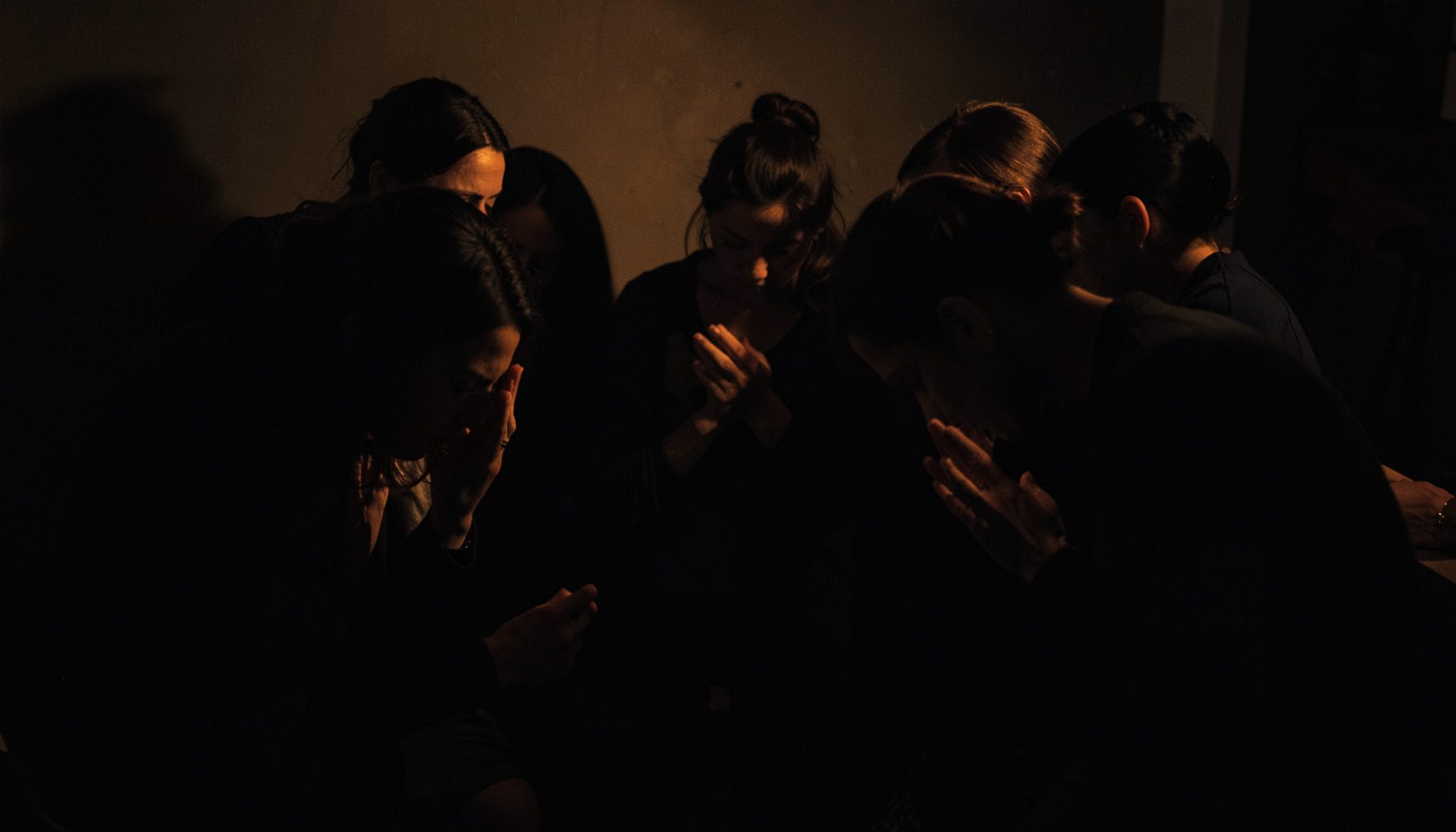
Prayer is central to wisdom, but prayer is not asking the Lord to take over our agency. It is presenting our desires, fears, duties, and likely consequences to Him. Scripture, family responsibilities, the teachings of the Church, and the quiet impressions of the Holy Ghost help us recognise an answer. Sometimes the answer is immediate; sometimes it arrives as a next faithful step rather than a complete timetable.
Personal revelation must remain anchored in revealed truth. The Church of Jesus Christ of Latter-day Saints teaches that the President of the Church exercises prophetic guidance, and that members should follow the Lord Jesus Christ and His appointed leaders. Personal impressions, blessings, or strong feelings should be tested against the teachings of the Prophet, covenants, and the established plan of salvation. A peaceful confirmation is evidence to weigh, not permission to bypass wise counsel.
Covenant identity shapes the choice
The Family Proclamation teaches that gender is an eternal identity and that the roles of husband and father, wife and mother are complementary. That doctrine gives women a distinctive spiritual language for decisions about marriage, family, service, and covenant womanhood. It does not erase individual gifts. A woman may be single, a mother, a wife, a grandmother, a worker, or a caregiver, and she can lead with faith, courage, and the influence of the Holy Ghost in every setting.
Covenant identity can sharpen practical choices. A wife and mother may ask whether her schedule honours sacred responsibilities without neglecting her own testimony. A single woman may ask how to build a Christ-centred home, serve in the Church, and prepare for the future. Temple covenants and the promises of eternal family are not abstract decorations; they shape how we use time, treat money, welcome others, and respond when a family member is frightened or sorrowful.
Faithfulness through infertility and waiting
Some decisions are carried in bodies as well as minds. When a woman faces infertility, the sadness can be intense while each medical appointment adds new information. The Church-centred reflection offered in navigating infertility is a useful reminder to seek the Lord, receive support, and refuse simplistic judgements about faith. Wisdom does not promise a particular outcome or make a person responsible for another person’s timetable.
Australian families often navigate fertility treatment through a mixed system of Medicare rebates, private clinics, and long waiting lists. Financial pressure, work schedules, and emotional fatigue can then influence the decision as much as the treatment itself. A wisely considered plan should not rank adoption, treatment, childlessness, or continuing infertility as moral grades. It should identify what is spiritually sound, medically responsible, financially honest, and emotionally sustainable for the family.
Wise counsel and a clear-eyed view of rewards
Wisdom rarely works alone. Family, dear friends, reliable ministers, and trusted women can ask questions that affection alone cannot. In many Australian meetinghouses, an informal arvo chat after Relief Society or ward activities may be where a difficult decision becomes clearer. The country’s often-blunt conversational style can help: “Have you thought through the money?” or “What guidance did your patriarchal blessing give?” may be more useful than vague reassurance when a choice has lasting consequences.
Australians also encounter rewards programmes through Coles FlyBuys cards and Qantas points, so the habit of attaching value to accumulated benefits is familiar. The mechanics of casino loyalty programs show how such systems can encourage another round of play. Spiritual maturity uses a different measure. Faithful choices may offer no immediate bonus, yet they build self-control, trust, family unity, and the capacity to keep promises when no one is watching.
A practical rhythm for wise decisions
Wisdom is not an occasional burst of insight. It is a repeatable rhythm of prayer, truth, counsel, and action. These practices can guide decisions concerning family, work, Church service, health, or personal calling.
- Pause before reacting, and ask the Lord for clarity rather than control.
- Write down what you already know to be true, including duties and likely consequences.
- Check your plans against the teachings, covenants, and responsibilities that shape your life.
- Ask a wise person for specific feedback, not automatic agreement.
- Choose the next faithful action even when the full outcome remains hidden.
- Act, observe the consequences, and remain teachable when new information arrives.
Before your next ordinary decision, place it before the Lord, identify the truth that guides you, and write down one covenant-keeping step. Waiting for perfect certainty may prevent wisdom from beginning, while acting without prayer and counsel can turn confidence into presumption. Turning perspective into one specific, faithful action is how eternal perspective becomes daily obedience.