



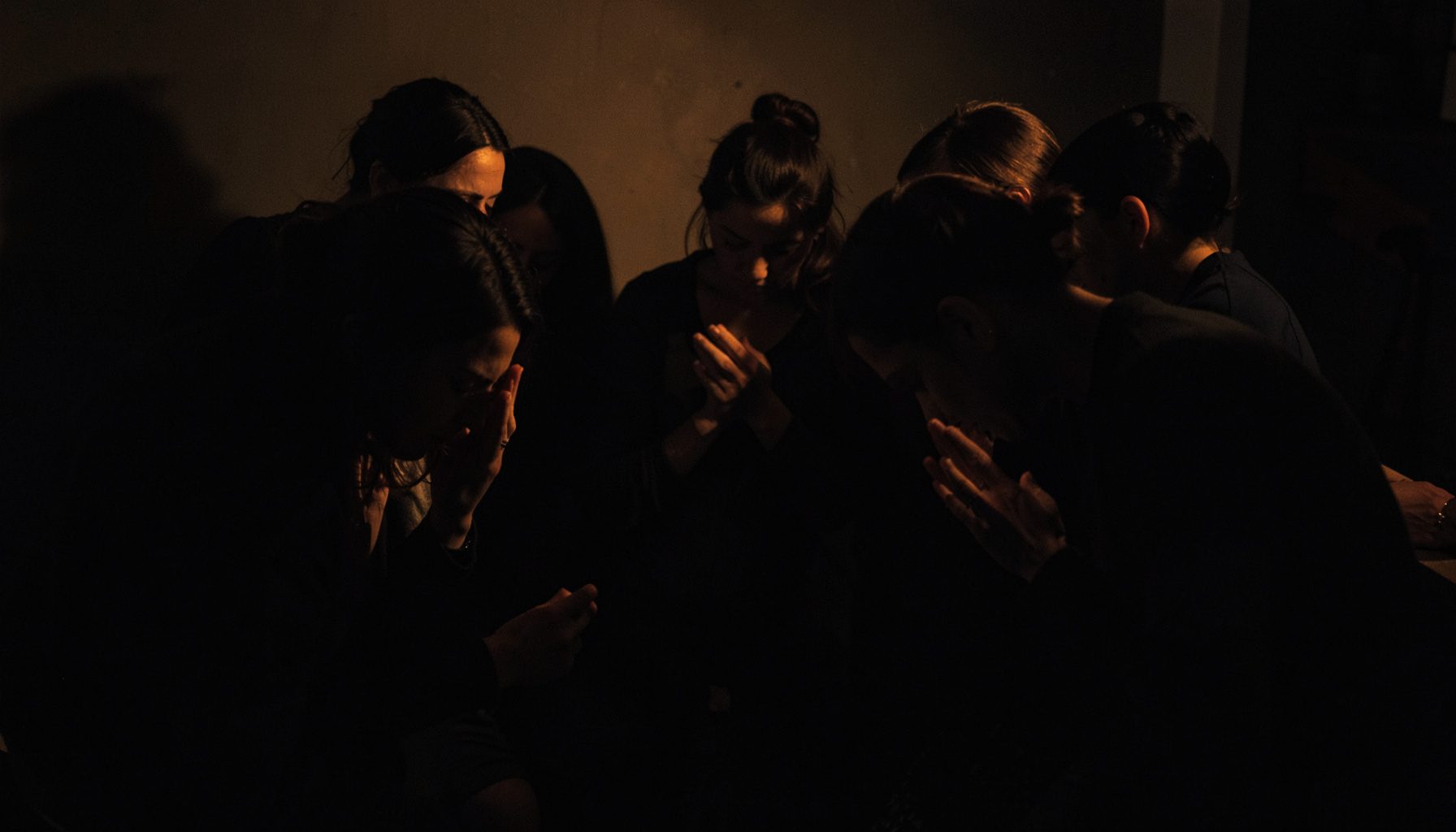

Navigating Infertility With Faith in God’s Plan
Infertility can make ordinary moments feel unexpectedly heavy: a pregnancy announcement at church, a question from a well-meaning relative, or another cycle ending without the hoped-for result. For Latter-day Saint women, the ache can become spiritual as well as emotional. Faith in God’s plan may feel steady one day and painfully distant the next.
The desire to bear children is sacred, yet a woman’s worth does not depend on whether conception occurs, how many children she has, or how her family looks to others. The covenants she makes, the love she offers, and the spiritual gifts she develops are also part of her eternal identity.
Faith does not require pretending that treatment is easy or that every unanswered prayer has a simple explanation. It can mean bringing sorrow honestly before Heavenly Father, accepting wise medical support, and trusting that divine purposes are larger than the timetable visible from mortality.
Holding Faith When Timing Hurts
Many faithful women quietly wonder whether infertility reflects a lack of righteousness. That burden is not a doctrine of the gospel. Scripture and prophetic teaching do not present every trial as punishment, and fertility is not a reliable measure of personal worth or spiritual standing.
God’s plan includes agency, a mortal body, biological limits, and seasons that cannot always be controlled. This does not make the longing less real. It offers a foundation for believing that the Lord sees the complete story, including the prayers spoken in a clinic car park, the tears shed after a negative test, and the courage required to keep loving family life.
A testimony may sometimes be as small as choosing to pray again. That quiet decision can coexist with frustration, envy, exhaustion, and questions.
Making Room For Grief And Hope
Infertility grief is often repetitive. Each menstrual cycle, treatment appointment, pregnancy announcement, or family gathering can reopen the wound. Giving that grief a name can prevent it from becoming shame. Journalling, a trusted Relief Society sister, professional counselling, or a priesthood leader who listens carefully may provide needed support.
Church communities can help by avoiding assumptions. Comments about “when your turn will come,” advice offered without invitation, and public celebrations that overlook childless women can intensify isolation. Compassion may look like a private message, flexibility around baby-centred activities, or simply allowing someone to step away from a conversation.
Hope also deserves room, though it should not be forced. Hope may involve a future child, a treatment option, adoption, foster care, or a deeper peace about a different family path. It is possible to remain open to God while acknowledging that the present hurts.
Seeking Wise Care In Australia
Australian women often navigate a mixture of public and private healthcare. Medicare may provide rebates for eligible consultations and some fertility services, while IVF and related procedures can still involve substantial out-of-pocket costs. Prices, waiting periods, and access differ between clinics in Sydney, Melbourne, Brisbane, Perth, and regional areas, so written estimates and clear questions are valuable.
State and territory rules also vary around assisted reproductive treatment, donor conception, and surrogacy. Donor-conceived people may have rights to identifying information through registers or clinic records, and altruistic surrogacy is regulated differently from commercial arrangements. A reputable fertility specialist and an independent counsellor can explain current requirements rather than relying on social media summaries.
For women living outside major cities, travel for scans, blood tests, or procedures may add fuel costs, accommodation needs, and time away from work. Planning appointments around school pickup, shift work, or long drives can become part of the emotional load. Asking a partner, family member, or ward friend for practical help is a form of stewardship, not failure.
Protecting Marriage And Eternal Identity
Treatment can turn intimacy into scheduling, medication, and test results. Couples may grieve differently: one may want constant discussion while the other needs quiet. Regular time together that is unrelated to fertility can protect the marriage from becoming a project managed by appointments.
The Family Proclamation teaches the eternal importance of family while affirming the divine worth of every person. That teaching should bring tenderness, never a hierarchy that ranks women by pregnancy history. Motherhood can be expressed through many forms of nurturing, discipleship, service, mentoring, and covenant love, while the desire for a child remains honest and worthy of compassion.
It may help to establish boundaries around announcements, baby showers, and intrusive questions. A simple statement such as, “We are receiving care and would appreciate privacy,” can preserve peace without explaining every detail.
Choosing What Strengthens The Spirit
Online spaces can offer companionship, yet they can also fill a vulnerable mind with comparison, miracle stories, advertisements, and promises of certainty. An Australian woman scrolling during a late-night wakeful hour may move quickly from a devotional reflection to commercial entertainment, including a page describing a casino bonus offer. Recognising that digital content can shape mood and attention makes intentional boundaries wise.
Spiritual nourishment may be simpler: scripture study before the morning coffee, a walk after work, sacrament meeting when energy allows, or a conversation with someone who does not minimise the pain. The account of Emma Smith offers a meaningful example of enduring severe trials while continuing to seek the Lord; these lessons from Emma can encourage women who feel unseen in their own testing.
Discernment also means recognising when religious language has become harmful. Statements that guarantee pregnancy, assign a reason for infertility, or promise that perfect faith will produce a particular outcome should be treated carefully. The Spirit brings truth with charity, patience, and room for agency.
Practices That Can Bring Steadiness
A few gentle practices can support faith while medical decisions and family hopes remain unresolved:
- Pray honestly, including anger, disappointment, gratitude, and uncertainty.
- Keep a written list of questions for fertility specialists and request itemised treatment costs.
- Arrange one trusted support person for difficult appointments or test results.
- Set kind boundaries around pregnancy announcements, advice, and invasive questions.
- Protect regular couple time that has no connection to treatment.
- Speak with a qualified counsellor if grief, anxiety, or depression begins affecting daily life.
- Record small evidences of grace without using them to dismiss ongoing pain.
These practices do not control the outcome. They can create steadier ground for making decisions, receiving revelation, and caring for the body and marriage during a demanding season.
Heavenly Father’s plan is not reduced to one medical result or one season of motherhood. A woman can mourn what she has not received, seek excellent care, serve within her capacity, and remain beloved of God at the same time. The next faithful step may be as practical as booking a counselling appointment, writing questions for a specialist, or kneeling together with a spouse tonight.