



The doctrine of eternal families and the comfort of loss
When a beloved person dies, the doctrine of eternal families offers a promise that grief does not have the final word. In Latter-day Saint teaching, marriage and family belong to an eternal plan, and covenants made through Christ can preserve bonds beyond mortal life. That hope does not shorten mourning; it gives mourning a horizon.
Australian families often move through grief within ordinary routines: long commutes, school runs, a Saturday shop at Coles or Woolworths, and the practical arrangements that follow a death. Sound doctrine must speak into those realities without becoming a slogan. This reflection connects the Family Proclamation with bereavement, drawing on sealing, repentance and the sustaining work of family and community.
What the doctrine teaches about enduring bonds
The Family Proclamation teaches that marriage and family are essential to God’s eternal plan. Under prophetic guidance, Church teaching centres on the sealing ordinance: couples who participate can be bound to one another, and to their children, for eternity. This is more than remembering someone after death; it concerns the continuation of family relationships through Christ and the resurrection.
Death still separates. Sorrow, unanswered questions and the loss of shared routines remain real. The promise does not say that faith prevents every tragedy or makes every family permanently harmonious. Repentance, forgiveness, covenant faithfulness and personal agency all matter within this framework.
The doctrine therefore offers both assurance and responsibility. It assures the bereaved that death need not be the end of covenant relationships. It also calls families to live worthy of the promises they make, since eternal relationships are described in terms of faith and obedience rather than ancestry alone.
Grief for a spouse, child or parent
Each relationship carries particular weight. A husband may miss a familiar partner; a mother may feel responsible for a child’s safety; an adult child may carry unfinished words. The theology of eternal families does not flatten these losses into one experience. It meets each person where the daily work of grief is happening.
Australia has a developed funeral and memorial market, including independent funeral directors, cemetery services, newspaper notices and online memorial pages. Families may also navigate probate, death certificates and records held overseas. These tasks can occupy the mind when people expected to provide comfort themselves. Knowing that a funeral need not be the final family ceremony can bring relief while leaving room to honour the person who has died.
The Church’s sealing process offers a distinct promise. Subject to records, eligibility and Church requirements, an authorised sealing to a deceased spouse may be completed, and parents may seek a sealing to a deceased child. Temples in Sydney, Melbourne, Brisbane, Adelaide and Perth make this possible for many members, although travel, cost and preparation matter. The ordinance does not replace a civil funeral; it expresses the family’s hope in Christ.
Covenant identity through changing seasons
For a bereaved woman, the Church’s teaching on covenant womanhood can remain a source of identity, purpose and strength. Reflections on covenant womanhood today show how that identity can be expressed through service, moral courage and faithful care. A woman whose role as wife, mother or daughter has changed can still contribute through prayer, family leadership, study and service.
Traditional Church teaching gives women and men distinct, complementary responsibilities within marriage, parenting and the home. In grief, that framework can shape a husband’s fathering, a son’s care for relatives, a wife’s sustained ministry and a mother’s leadership. Families need not fulfil these roles in the same way, but covenant identity gives each person meaningful work while sorrow is being processed.
Australia’s legal framework must be distinguished from the Church’s teaching. The federal Marriage Act 1961, as amended in 2017, recognises same-sex marriage, while the Church continues to teach marriage and sealing covenants between a man and a woman. Families can acknowledge civil law without blurring distinct teachings, and this clarity shapes how they speak publicly about the sacred purposes of marriage and family.
Practices that carry comfort
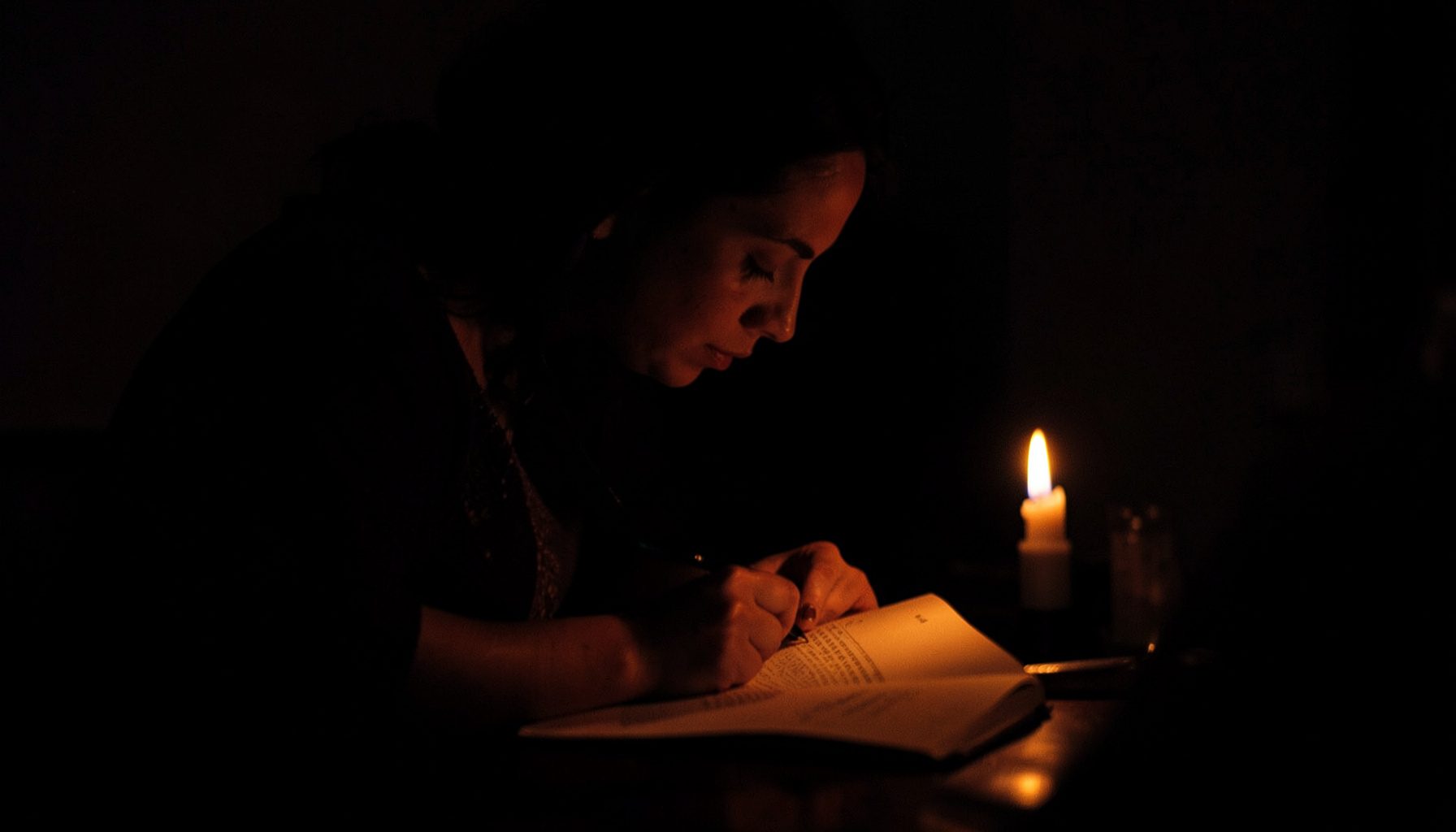
Comfort is often carried by small, repeatable acts rather than a single dramatic memory. A modest beginning is a lasting Scripture habit: read a short passage, record one response and pray with gratitude for what remains as well as grief for what is missing.
- Set aside ten minutes each morning for one verse and one sincere prayer.
- Keep a small memorial book with photographs, recipes and messages from the person remembered.
- Use a shared calendar or family message to coordinate meals, temple attendance and support.
- Attend a ward family activity or temple session when the timing and travel are manageable.
- Offer practical help to a grieving friend or relative without making the help conditional.
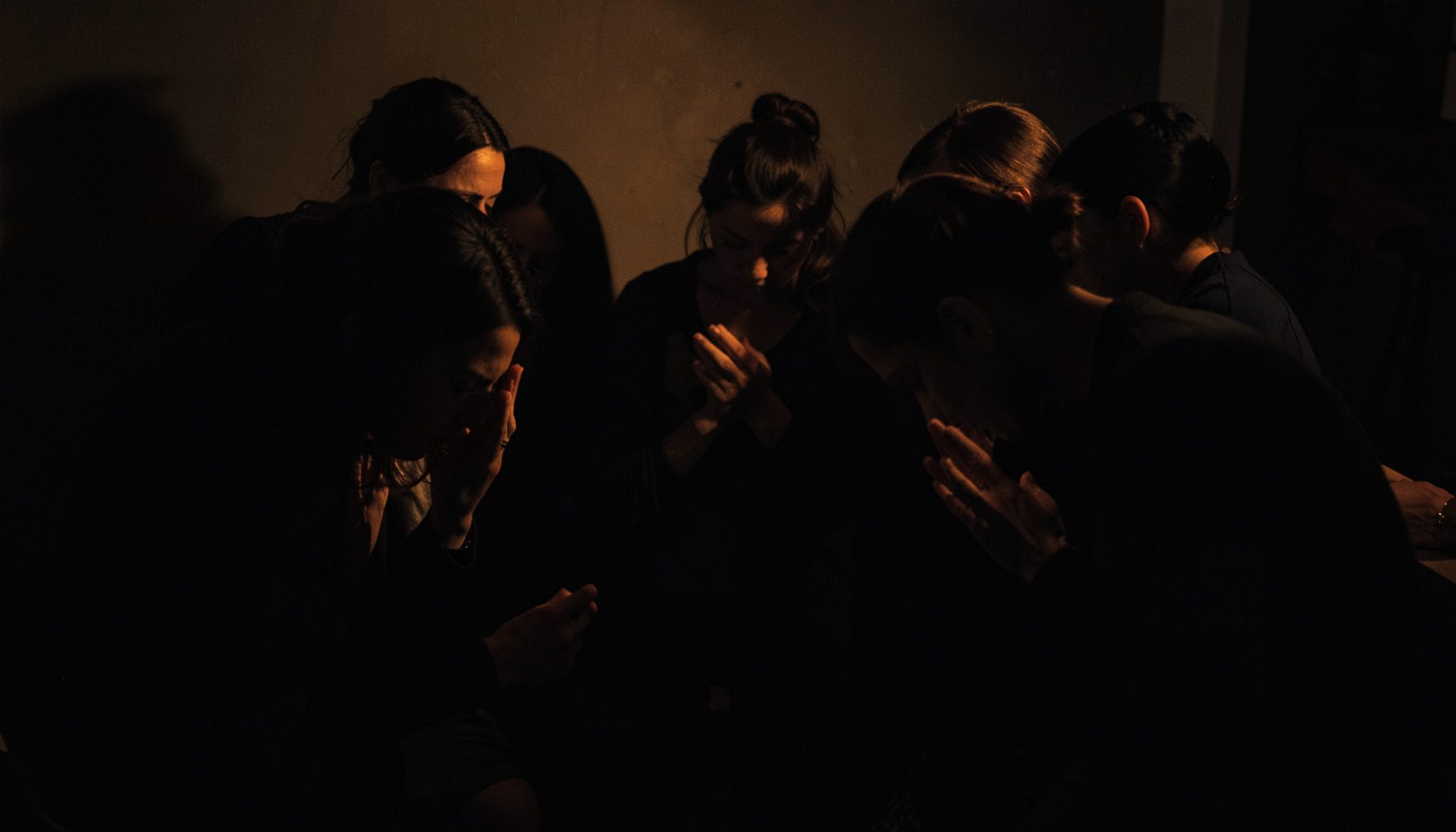
Prayer should not silence painful feelings. A family can thank God for the person’s life, ask for strength with separation and still acknowledge continuing tears. Memorial habits can help: sharing a favourite meal, preserving a voice message, visiting a grave or telling a child stories about grandparents keeps identity present in family life.
Grief that disrupts sleep, eating, work or relationships deserves professional as well as spiritual care. In Australia, a GP can discuss bereavement support and mental-health referral, while Bereavement Australia and local services offer specialised support. Faith communities can help without treating pastoral care as a substitute for treatment.
A hope shared in community
Personal essays and guest contributions published through Mormon Women Stand can help readers feel accompanied rather than isolated in questions about faith, family and loss. A testimony shared by a bereaved mother, a widow or an adult son gives permission to describe grief honestly while also bearing witness to the hope held by the Church.
That witness is strongest when shared rather than performed. Ward gatherings, family meals, organised meals, temple sessions and neighbourly care can carry the work of consolation. Members can listen without rushing to explain, remember details about the person who died and help with practical burdens. The promise of the eternal household becomes a community responsibility, not a private interpretation of scripture.
What the reader should remember is that death can interrupt a life, but covenant love in Christ is not erased by mortality. The hope is real, and so is the grief. Together they allow a family to honour those who have died, continue their good influence and recognise that every family member remains part of an eternal story.