



Finding peace when your missionary child faces challenges
Few seasons stretch parental worry as widely as the months when a son or daughter serves a full-time mission. Decisions made far from home, unfamiliar cultures, long travel days and limited contact can make distance feel greater than the kilometres suggest. A missionary may face homesickness, exhaustion, strained relationships, spiritual discouragement or uncertainty about the gospel they once loved.
A worried parent often believes peace must arrive before the challenges disappear. Faith teaches a different path: peace can grow while uncertainty remains. Through honest prayer, wise boundaries and dependable community support, mothers and fathers can steady their own hearts while respecting the agency of their missionary child.
Worry alongside a missionary's agency
When a parent hears that a missionary child is struggling, the instinct is to solve the problem quickly. Advice, money and even a flight ticket may seem reasonable ways to help. Yet a missionary is not a project to manage but a son or daughter with the right and responsibility to develop an independent testimony.
The Family Proclamation affirms the sacred responsibilities of parents and the dignity of children. These teachings offer strength during separation, but they do not give parents authority over every choice made by an adult missionary. Supporting a missionary means listening, praying and offering help when it is welcomed, not making their decisions for them.
Concern can remain open and constructive. Suspicion, however, can create division before facts are known. Before reacting to a difficult update, parents can pause, ask respectful questions and separate confirmed information from fear. This protects trust while allowing genuine concerns to receive appropriate attention.
Honest prayer for a worried heart
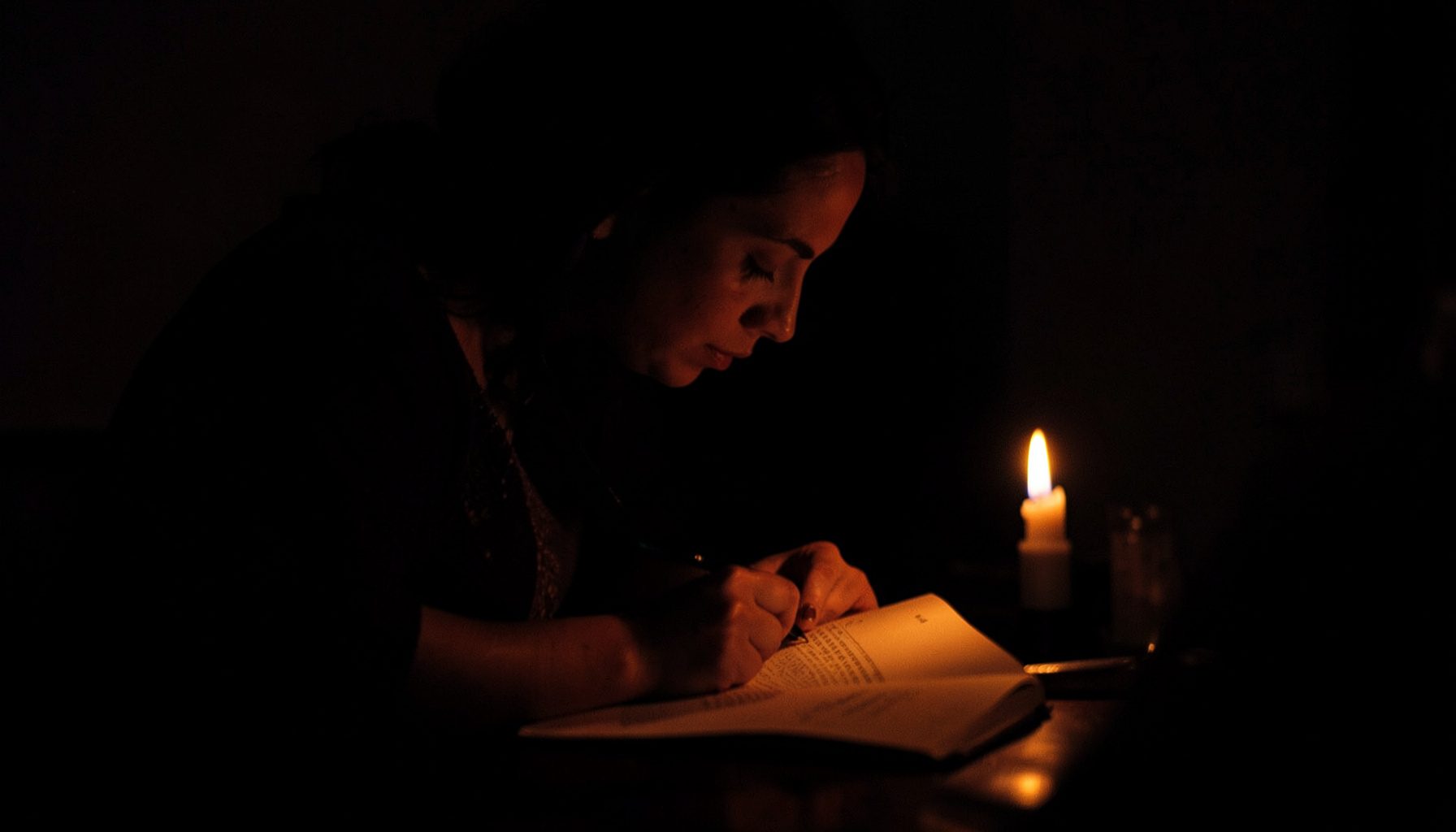
Prayer gives worry a place where it can be acknowledged without becoming the centre of the home. A parent can tell the Lord about missed birthdays, unanswered messages and the sadness of ordinary evenings occurring without their child. Specific prayers for courage, insight and patience often feel more honest than a general request for everything to be fixed.
For mothers shaped by covenant womanhood, prayer can also anchor identity during this season of increased distance. Service within the family, participation in ward responsibilities and caring for neighbours need not end when a child serves a mission. A mother's influence can remain strong through steady presence rather than attempts to control her child's ministry.
Receiving an answer may involve greater patience, a change in perspective or practical action. Sometimes it means choosing to trust without seeing every outcome. A simple daily practice can help: read a verse, name one fear, ask for strength and record one thing learned that day. Repeated surrender builds a peace rooted in God rather than circumstances.
Practical care across Australian distances
Australian geography can intensify the emotional weight of missionary separation. A video call between Sydney and North America often arrives in the small hours because of the time difference, while flights serving Pacific missions may connect through Singapore. Regional families may also face long journeys between home, airports and places of worship. A realistic care plan can reduce unnecessary strain.
When parents feel unable to offer enough, lessons on strengthening your own faith can provide perspective. Practical support might include arranging a weekly call, sending clothing or study materials and paying for a flight home when circumstances permit. At Coles or Woolworths, adding familiar pantry items such as Milo or Vegemite to a care package can also feel like a loving gesture.
Consistent contact matters more than perfect contact. Families can agree on a schedule that respects the missionary's workload, time zone and privacy. If an update suggests serious distress, abuse, self-harm or a safety concern, parents should contact the mission president and seek appropriate professional support rather than trying to investigate alone.
Community support for the whole family
Congregations and extended families can carry burdens that worried parents should not carry alone. Australian communities often demonstrate care through familiar customs: meals delivered during the school holidays, fundraising at farmers' markets, contributions at school fetes and practical help with airport runs. Such service supports the missionary while also preserving the parents' wellbeing.
Ways to support the missionary
- Coordinate a weekly call schedule that respects time zones and ministry demands.
- Send useful care packages while observing airline and mission restrictions.
- Offer financial help transparently and without creating obligations.
- Keep the missionary's experiences confidential, especially within extended families.
Ways to steady worried parents
- Share evening meal delivery or transport during particularly difficult weeks.
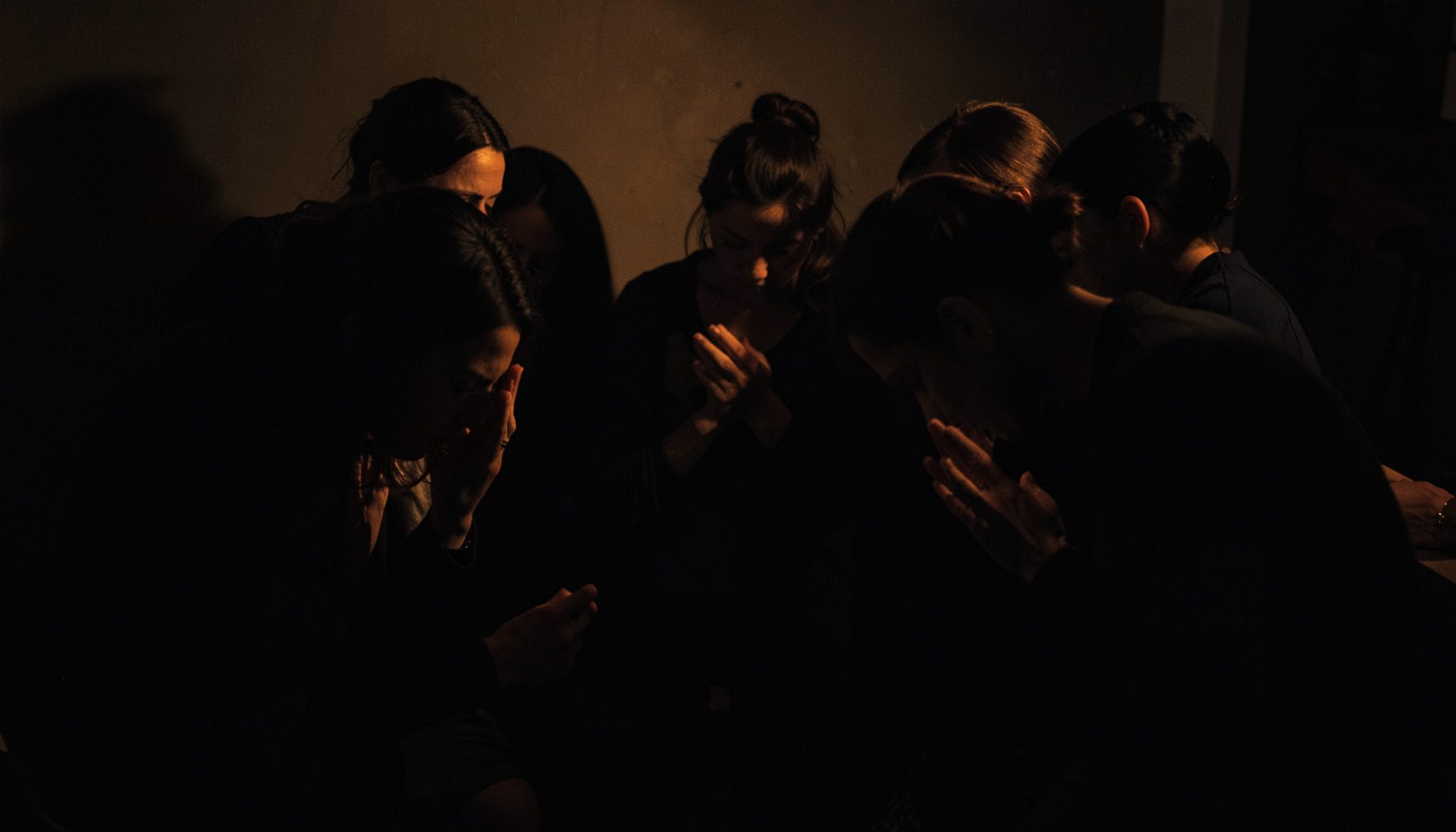
- Organise a prayer circle that supports the parents as well as the missionary.
- Cover childcare, household tasks or airport parking when possible.
- Give worried parents permission to rest rather than constantly managing the situation.
Support should strengthen family relationships rather than make them feel watched. Friends and relatives can avoid repeating reports from social media, offering unsolicited criticism or turning a missionary's struggles into church gossip. Boundaries of confidentiality are essential forms of love.
Carrying peace into ordinary days
Peace does not require a missionary to report that everything is wonderful. It allows a family to honour both the reality of difficulty and the goodness of God. Sometimes a mission becomes a season of profound gratitude. At other times, it tests faith through silence, disappointment or a long wait for the mission president to respond. Each experience calls for a different response.
Keeping personal goals, friendships and service active helps parents remain whole. Exercise, work, study and meaningful friendships prevent the mission from becoming the only subject in the household. The example of a stable, faithful home can also encourage a missionary to remain grounded while serving among people with different needs and beliefs.
Writing a guest contribution can turn private worry into shared wisdom. The testimony of a parent who has learned to release control may give another family language for its own prayers and uncertainties. Likewise, a missionary's account of growing through homesickness can reassure parents that difficulty does not automatically mean failure.
The peace worth remembering is the peace that allows a family to love without controlling, to listen without assuming and to remain present when answers are incomplete. Respect for the missionary's agency, confidence in divine guidance and faithful support at home can carry both parent and child through the distance until reunion.