



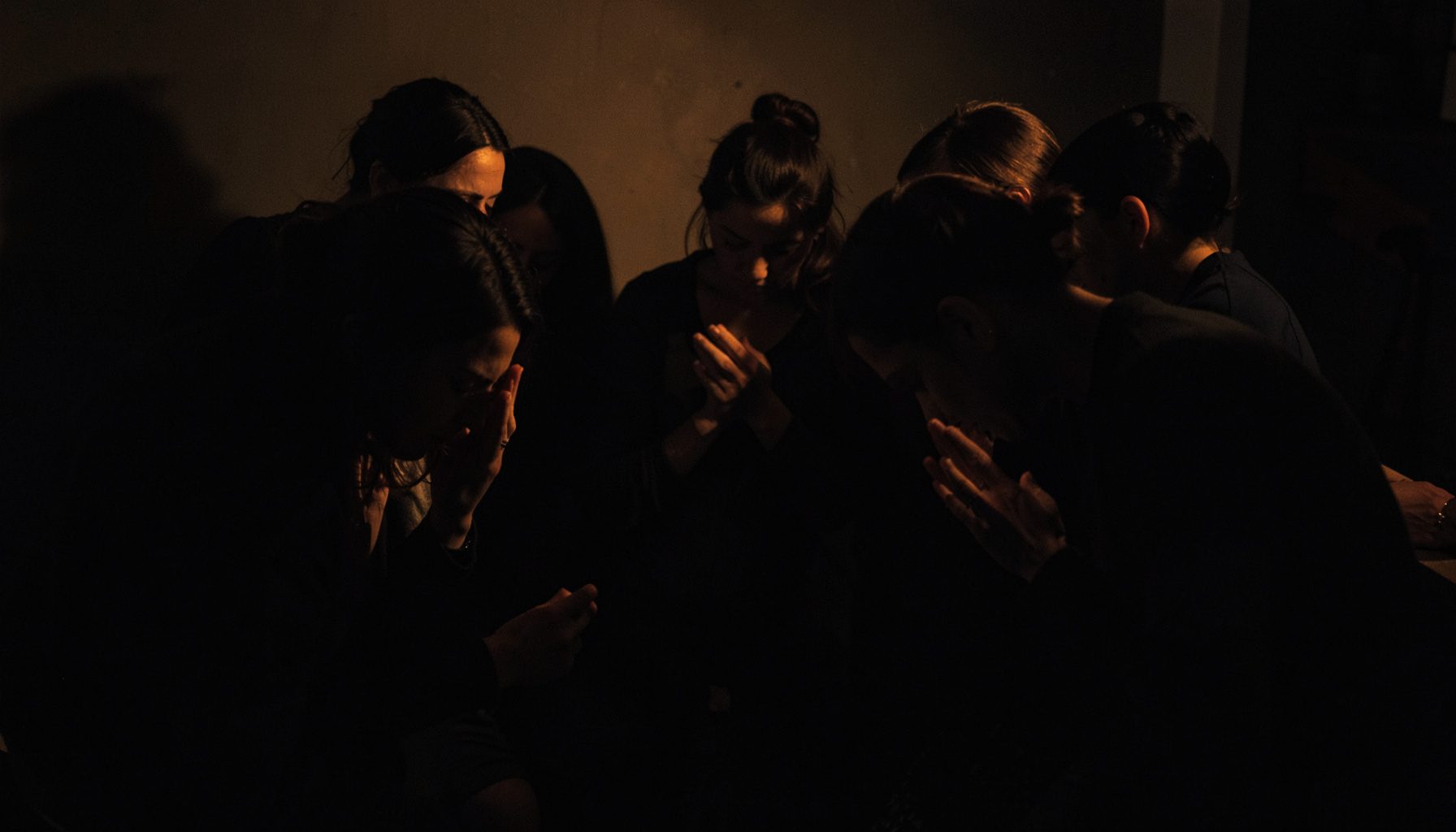

When Faith Feels Fragile: Rebuilding Trust in God
A testimony can feel steady for years and then become unexpectedly tender. A difficult diagnosis, unanswered prayer, family strain, or a season of spiritual silence may leave a faithful Latter-day Saint wondering whether her trust in God was ever as strong as she believed. This experience does not automatically mean faith has disappeared. Often, it means the soul needs gentler care and a deeper foundation.
When your testimony feels fragile, you do not need to manufacture certainty overnight. You can return to simple practices, remember what the Lord has already taught you, and allow faith to grow through small, honest acts of discipleship. Trust is often rebuilt quietly, one prayer, covenant, and obedient step at a time.
Name The Wound Without Shame
Begin by identifying what has unsettled your faith. Is the pain connected to grief, a change in family circumstances, disappointment with Church members, questions about doctrine, or exhaustion from carrying too much? Naming the wound in prayer can make it easier to separate sorrow from unbelief.
The Lord is not threatened by honest questions. The Psalms, the Book of Mormon, and the lives of modern disciples include people who pleaded for help while still choosing to turn towards God. A testimony can contain both uncertainty and desire: “I do not understand this, but I want to believe.”
Give yourself permission to grieve without making permanent conclusions during a temporary storm. A mother in Melbourne facing financial pressure at the supermarket, or a family in regional Queensland recovering after a bushfire, may need practical support as much as spiritual reassurance. Sometimes the first faithful step is rest, counselling, or accepting help.
Return To Small, Reliable Practices
When prayer feels difficult, make it simple. Speak to Heavenly Father in plain language while driving, washing dishes, or walking along the beach. Read a few verses rather than setting an intimidating study target. The purpose is relationship, not performance.
The sacrament can become a weekly anchor. Listen for one phrase during the meetinghouse service, write it down, and carry it into the week. Temple worship, family prayer, ministering, and keeping covenants can similarly restore spiritual rhythm when strong feelings are absent. Consider Emma Smith’s example as a reminder that enduring faith can be expressed through steadfastness in ordinary, demanding circumstances.
A testimony is strengthened by repeated contact with truth. You may not feel a dramatic answer after one prayer, but consistent practice creates space for the Holy Ghost to teach gradually. Like the Australian habit of checking the weather before a long trip, these small disciplines help you travel wisely even when the whole road is not visible.
Remember What You Have Already Received
Fragile faith often remembers the present crisis more vividly than past mercies. Keep a record of spiritual impressions, answered prayers, moments of protection, and times when a scripture arrived with unusual clarity. These memories are not proof that every future decision will be easy, but they are witnesses of God’s past faithfulness.
Look for quiet evidence rather than demanding a spectacular sign. Peace during the sacrament, strength to forgive, a timely visit from a Relief Society sister, or courage to choose what is right can all be sacred confirmations. The Spirit frequently speaks with steadiness rather than drama.
Family history can also reconnect you with covenant roots. Ask an older relative about prayer, migration, hardship, or Church service. Whether your family gathers in Sydney, Perth, or a small country town, stories of faithful ancestors can remind you that discipleship has always included uncertainty, sacrifice, and divine help.
Let Questions Become A Faithful Process
Questions deserve care, good sources, and patience. Write them down instead of allowing them to circle endlessly through your mind. Study the scriptures, teachings of living prophets, official Church resources, and trustworthy voices that treat sacred things with respect. Seek understanding without surrendering your spiritual discernment.
It is also wise to notice the effect of different sources. Some material invites humility, charity, and deeper commitment to Jesus Christ; other material profits from outrage and encourages suspicion of every righteous authority. You can pause content that leaves you anxious or contemptuous while continuing a sincere search for truth.
Discuss sensitive concerns with a faithful, emotionally safe person rather than carrying them alone. A mature bishop, Relief Society leader, trusted friend, or professional counsellor can help you distinguish a doctrinal question from a personal injury. Seeking support is an act of wisdom, not spiritual failure.
Make Room For Joy And Sacred Play
Rebuilding trust in God does not require a life stripped of lightness. Joy can soften a guarded heart and help you recognise that discipleship includes gratitude, friendship, creativity, and wholesome recreation. A picnic after church, a family game during the winter school holidays, or a walk before the summer heat can become a setting for renewed connection.
Even a playful article such as faith in ordinary play can point towards the value of shared experiences. Laughter does not trivialise covenant living. It can strengthen families and create the emotional safety in which children and adults speak honestly about belief.
Notice what helps you feel more present with God and with the people you love. For some women, this may be music; for others, gardening, service, cooking, or time in nature. Joy is not a substitute for testimony, but it can make the heart more receptive to gratitude and revelation.
Practise Trust Through Covenants
Trust grows when belief becomes action. Keep the covenants you can keep today: pray, partake of the sacrament, honour chastity and family commitments, serve someone quietly, and follow prophetic counsel with sincere intent. Obedience cannot control every outcome, but it places your life in harmony with the Saviour’s teachings.
The Family Proclamation offers a framework for covenant womanhood, marriage, parenthood, and the eternal worth of each person. Applying its principles may look different across Australian households, including families balancing shift work, FIFO employment, farming seasons, or the demands of city life. Its enduring truths can guide choices when circumstances feel unstable.
Practices That Restore Spiritual Confidence
Choose a few attainable habits rather than attempting a complete spiritual overhaul. These recommendations can help create a gentle pattern of return:
- Offer one honest prayer each morning and evening, even if it is brief.
- Record one evidence of grace, guidance, or goodness each day.
- Attend sacrament meeting with one question and listen for spiritual impressions.
- Speak with a trusted Church leader or qualified counsellor about persistent distress.
- Set boundaries around online content that fuels fear, anger, or cynicism.
- Serve one person privately each week without seeking recognition.
- Share a scripture, hymn, or faith story during family time.
You can also use the wider community of faith-centred women for encouragement, reflection, and reminders that discipleship is lived in real homes and real seasons. The aim is not to imitate another woman’s spiritual pace. It is to become more honest, steady, and receptive to the Lord’s direction.
When your testimony feels fragile, focus on the next faithful act rather than demanding a complete emotional recovery. Kneel, read, attend, forgive, serve, and remember. Over time, these small offerings can become a renewed witness that God has been near, even in the season when you could not yet feel it clearly.
A practical starting point is to write one sincere prayer tonight, one truth you still believe, and one small covenant-keeping action for tomorrow. Trust can begin there.