
The gift of healing: how to pray for miracles without presuming
The Church of Jesus Christ of Latter-day Saints teaches that healing is a gift of the Holy Ghost and that miracles manifest divine power. Healing is not a human achievement or a favour we purchase; it comes through Christ, is received in faith, and remains subject to His will.
Praying for miracles without presuming joins bold faith with humility. We may ask the Lord for recovery, relief from grief, or strength through hardship, while acknowledging divine agency, timing, and the possibility that an answer will differ from our request.
For Latter-day Saints in Australia, this posture appears in ordinary places: ward prayer meetings in Sydney, family fasts in Adelaide, online prayer chains in Perth, and hospital visits. In pluralistic Australia, faith must coexist with medical and civic responsibility.
A real gift, not a human achievement
Article of Faith 9 identifies the gift of healing as a gift bestowed upon the faithful, while 1 Corinthians 12 lists healings among the Spirit’s gifts. The gift is real, comes through the Spirit, and can minister to individuals, families, and congregations.
No one possesses healing as a bargaining chip. Faith does not purchase favour, and a blessing is not a receipt. Women can use spiritual gifts through prayer, fasting, ministering, and service without making motherhood or femininity conditions of divine approval. God retains authority over how and when the gift is given.
Miracles, providence, and tender mercies
The plural “healings” suggests divine power is not confined to one visible outcome. Someone may receive physical recovery, calm amid fear, courage after diagnosis, renewed relationship, or strength to continue faithfully. Such experiences may reflect a miracle or tender mercy, and discernment matters.
Prayer may also reshape the person praying. Crisis can expose pride or despair, allowing repentance and quieter confidence to follow. That inner healing is precious, but it does not cancel the sufferer’s wish for recovery. Both can be honoured: the desire for physical healing and the healing found in meaning and belonging.
Learning the language of personal revelation
Personal revelation helps believers recognise spiritual impressions, yet discernment is essential. Prayerful insight should be tested against scripture, Church teachings, moral choices, and the prophetic guidance of the Church’s living prophets. Emotion can accompany an impression, but intensity is not proof. Peace, gradual confirmation, and alignment with holiness offer evidence.
Women often notice impressions while caring for children or serving in the community. A reflection on personal revelation in motherhood shows how revelation can be woven into everyday duties rather than reserved for rare moments. Recording prayers, impressions, and actions over time is a useful discipline. It teaches humility and avoids confusing preference with revelation; wise counsel may slow a prompt down.
A practical pattern for prayer
A measured pattern keeps desire and reverence together and stops the petitioner’s faith from becoming the centre of the story.
Those preparing a family or ward prayer can adopt these habits:
- Seek consent before naming an illness or sharing sensitive details in public prayer.
- Address Heavenly Father directly, naming the person and need plainly.
- Distinguish a sincere request from a promised outcome, and ask what the Lord knows will serve.
- Include physical, emotional, relational, and spiritual needs without prescribing another’s path.
- Leave room for God’s answer, then follow inspired action such as medical care, service, or patient support.
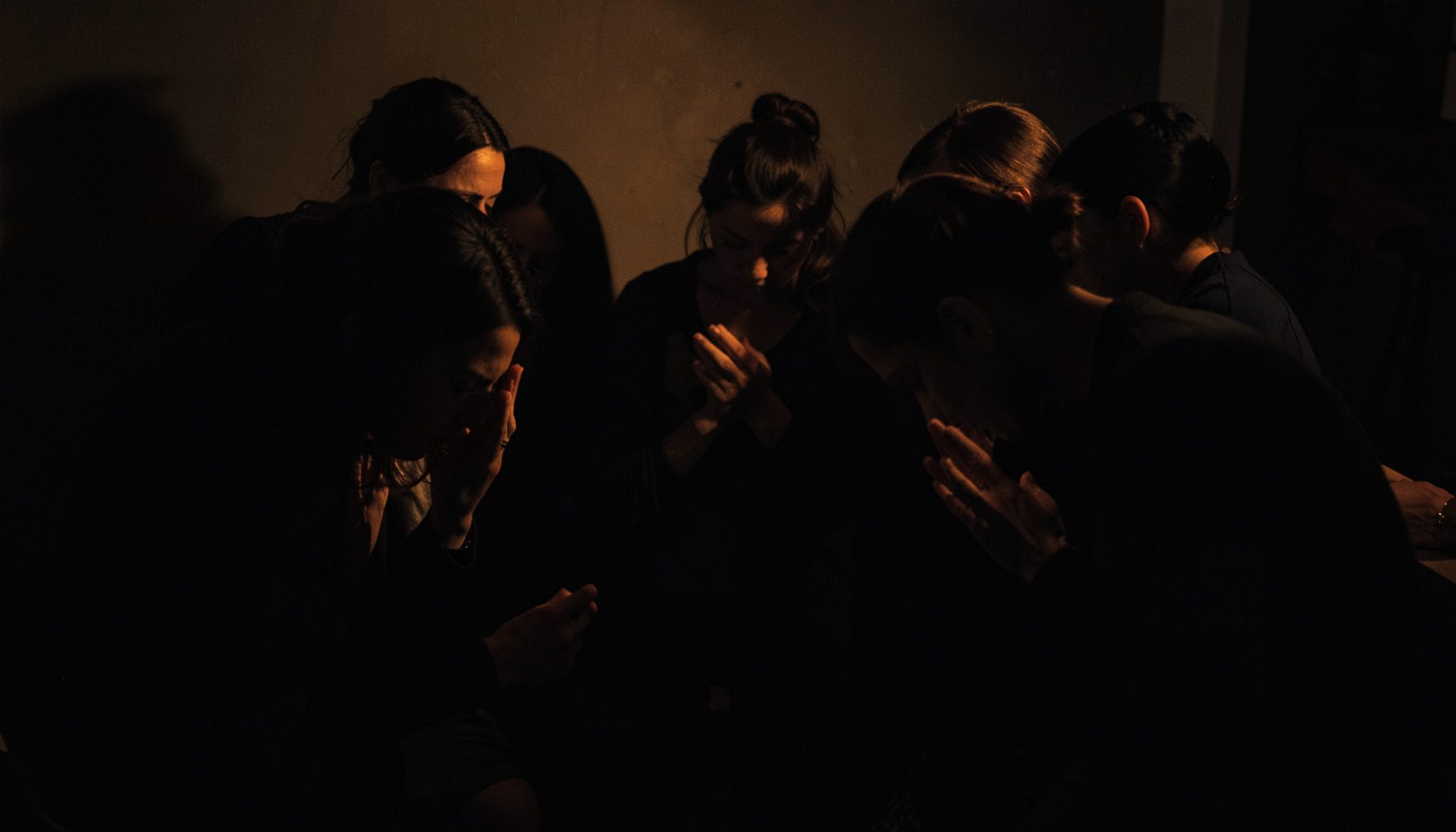
Members may follow established fasting practices and, where appropriate, ask an authorised officiant to administer a blessing. The ritual does not force a result. It submits the need to God in a covenant setting, honouring the Family Proclamation’s call for family prayer and placing prayer, faith, office, and agency in proper order.
Preserving agency, health, and privacy
Responsible prayer remains connected to responsible care. Australians navigate health through Medicare, a local general practitioner, and a chemist, while faith communities add prayer, family support, fasting, and blessing. These are companions, not competitors. Seeking treatment and giving consent are acts of stewardship; spiritual care can sustain hope.
Presumption appears when prayer becomes a condition. “If you have enough faith,” “you must have named it correctly,” or “this blessing guarantees healing” pressures the sufferer. A delayed or absent recovery says nothing about worth or worthiness. People retain the right to accept, decline, or question any treatment or blessing.
Private needs deserve care. A general prayer can invite support without disclosing medical details, and pastoral questions can be handled through the contact page.
Healing within Australian community life
Across Australia, stakes and wards organise worship and neighbourly care. Meetinghouses from Sydney to Perth host Sunday meetings, fast and testimony meetings, and prayer for worried families. Shared tea often becomes practical support: a meal, school run, hospital lift, or ward-group message.
Distance shapes the same ministry. In regional New South Wales, Queensland, and South Australia, members may live hours from extended family. During bushfire smoke, heatwaves, floods, or drought, healing may concern a home, farm, community, or mental resilience. Water, transport, childcare, and phone calls can matter as much as words.
Australian communication habits also matter. Ward groups use WhatsApp, Facebook, email, and SMS, while people may sign off with “Hope you’re well” or “God bless.” Privacy needs protection even in a close-knit congregation. Testimony can build courage, and writers can offer an account through the guest contributions page, with consent and care for anyone still healing.
Hope that shapes faithful living
The strongest witness to healing is a life touched by divine power and shaped by service. Recovery matters, and so do freedom from shame, restored relationships, patient care, and strength offered to another. Covenant womanhood and family bear fruit when prayer honours women as dignified agents whose gifts serve rather than purchase influence.
Keep two convictions together. Miracles are real, and they belong to God. Petitionary prayer is honest and bold, yet it never coerces the Lord. Faith seeks a blessing, wisdom, and another person’s wellbeing; presumption demands a particular result and assigns blame when it does not arrive.
The gift of healing is received with humility. Prayer may ask for recovery, peace, strength, or a changed path while accepting that the Lord knows what is best. Carry this forward: trust God, honour agency, seek revealed truth, and remain present to the person for whom you pray.