
Learning From Book of Mormon Women
Learning from the Women of the Book of Mormon: A Study Guide offers a way to read familiar scripture with fresh attention. The record often names fewer women than men, yet the women who appear—and the many who remain unnamed—shape families, preserve faith, protect communities and testify of Jesus Christ.
For Latter-day Saint women in Australia, scripture study can connect ancient covenant experiences with modern life in Sydney apartments, regional Queensland homes, Melbourne wards and family routines shaped by school terms, work and church service. A thoughtful study does not treat these women as distant figures. It asks how their faith, courage and spiritual gifts can guide covenant living today.
Seeing Women Clearly In The Record
Begin by noticing what each woman does rather than assuming that silence means insignificance. Sariah acts as a mother, wife and covenant partner. Abish recognises divine power and responds with courage. The mothers of the stripling warriors teach faith so deeply that their sons remember it under pressure.
The Book of Mormon also presents women within families and communities. Their influence is frequently shown through consequences: a household remains faithful, a people receives a witness, or children act with confidence in God. This invites readers to value the quiet work of teaching, nourishing and strengthening others.
Sariah And Faith In Unfamiliar Places
Sariah’s story speaks to women who carry real responsibilities while facing uncertainty. Leaving Jerusalem, travelling through the wilderness and grieving the absence of her sons would have tested her trust. Her experience shows that faithful women can feel fear and sorrow without being faithless.
Her testimony becomes especially meaningful when her sons return safely. Sariah recognises that the Lord has protected them and that Lehi has received revelation. Families today may find a similar pattern when they pray through financial strain, relocation, illness or concern for children serving missions. Faith can grow through honest grief and renewed recognition of God’s care.
Abish And Spirit-Led Courage
Abish had lived for many years with knowledge of God that others did not share. When she saw the people fall to the ground after the king’s household received a spiritual witness, she acted immediately. Her decision to gather the people required initiative, spiritual sensitivity and willingness to be misunderstood.
Her example is useful for women who notice a need before it becomes visible to everyone else. In a Brisbane ward, that might mean welcoming a newly arrived family; in a rural branch, it could mean supporting someone who feels isolated. Those acts may appear small, yet they can open space for the Spirit to work.
Women who have insights, testimonies or experiences to share can also strengthen the wider community through faithful writing. The guest contributor space offers one example of how personal witness can become a source of encouragement for other Latter-day Saint women.
Mothers Who Teach Covenant Confidence
The mothers of Helaman’s young warriors are often remembered for teaching their sons to trust God. Their influence was consistent enough to remain present when those sons faced danger. The account points to the spiritual power of repeated instruction, family prayer and lived example.
This does not mean every mother will see immediate results or that women carry responsibility for every choice made by family members. It does show that covenant teaching matters. A mother, grandmother, aunt, Primary teacher or Relief Society sister may place truth in a child’s heart long before its importance becomes visible.
Practical family habits can make this teaching steady rather than overwhelming:
- Read a short scripture passage before the school run or bedtime.
- Speak plainly about prayer, repentance and the Saviour.
- Share family stories of answered prayers and service.
- Invite children to identify the Spirit in ordinary moments.
- Keep worship consistent during holidays and busy seasons.
Learning From Unnamed Women
Many women in the Book of Mormon are not given names. They may have gathered food, cared for children, mourned the dead, welcomed strangers or endured displacement. Their lack of names in the record does not make their discipleship less valuable. It reminds us that God sees service that history cannot fully describe.
This perspective can be comforting in a culture that often measures achievement publicly. A woman balancing paid work in Melbourne, managing a household in Perth or supporting extended family in Canberra may wonder whether her unseen efforts matter. The scriptures affirm that covenant faithfulness is measured by God, not by attention, income or public recognition.
When studying an unnamed woman, consider these questions:
- What burdens might she have carried?
- Which relationships may have depended on her?
- How could she have sought revelation?
- What would Christ have noticed in her service?
- Which quiet act of faith can be honoured in my own life?
Stewardship In Modern Family Life
Book of Mormon women teach discernment as well as devotion. Their examples encourage families to consider what influences their thoughts, time and relationships. Modern households encounter a constant stream of entertainment, advertising and online conversation, so wise media choices can become part of spiritual stewardship.
A discussion of smart TV casino content can be useful when teaching teenagers and adults to recognise persuasive marketing, gambling risks and the difference between recreation and compulsion. The principle is broader than one form of entertainment: disciples choose media that supports self-mastery, peace and healthy family relationships.
Australian families may discuss these decisions around a shared meal, during a long drive between towns or while navigating screen use after weekend sport. Clear expectations are easier to follow when parents explain the values behind them. Agency is strengthened when family members learn to pause, assess and choose deliberately.
A Study Rhythm For Australian Women
A sustainable scripture routine should fit real life. Some families have early starts, commuting schedules or children involved in netball, football and music. Others live far from a meetinghouse or manage irregular work. A study plan can be brief and flexible while still being reverent.
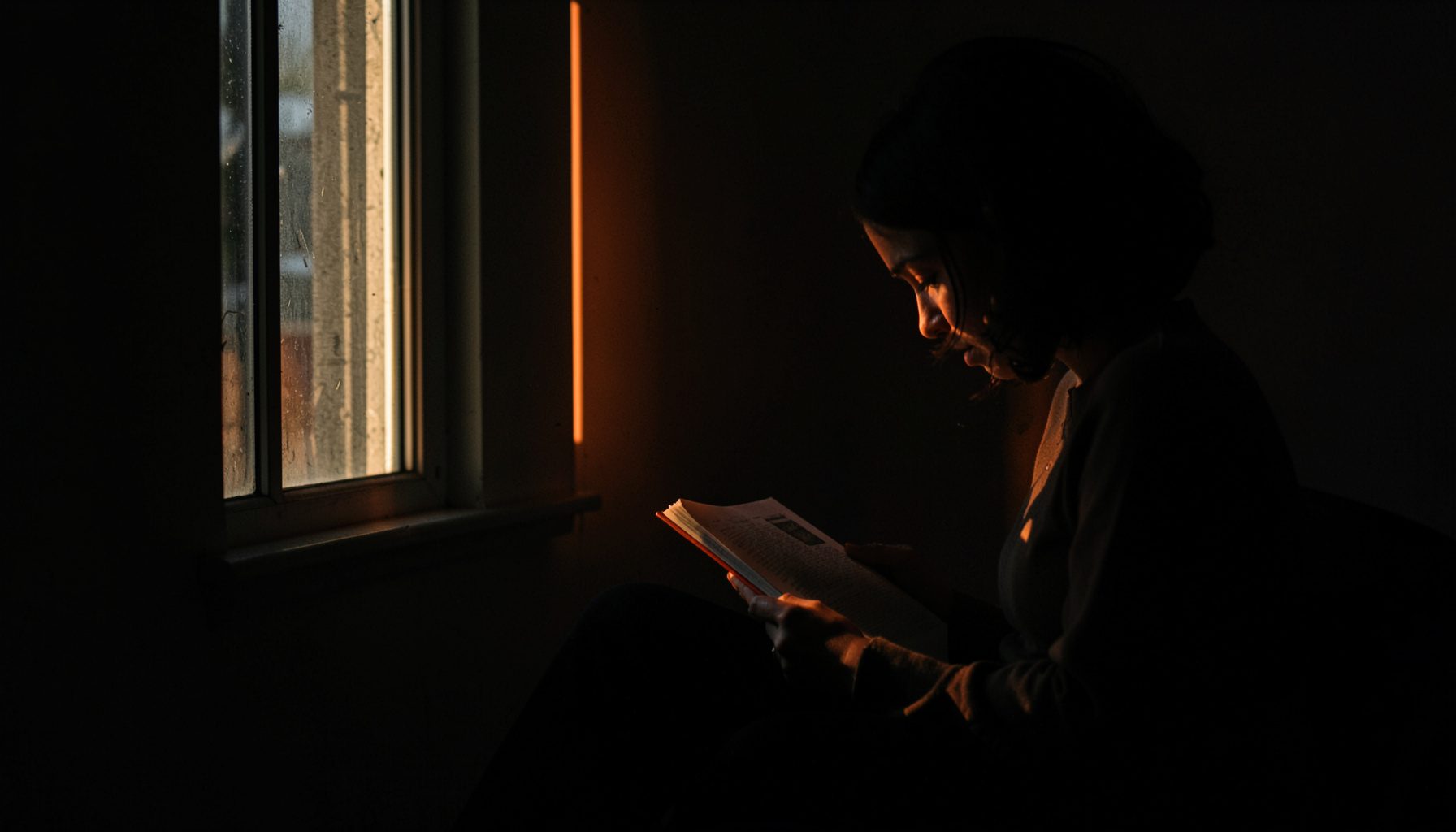
Use one passage each week and connect it with one act of discipleship. During an Australian summer, a family might read outside before the heat of the day; during winter, a woman might study after the children leave for school. The setting matters less than returning consistently to the word of God.
A simple pattern is:
- Read the account slowly.
- Mark each decision the woman makes.
- Identify the doctrine or covenant principle involved.
- Pray for one personal application.
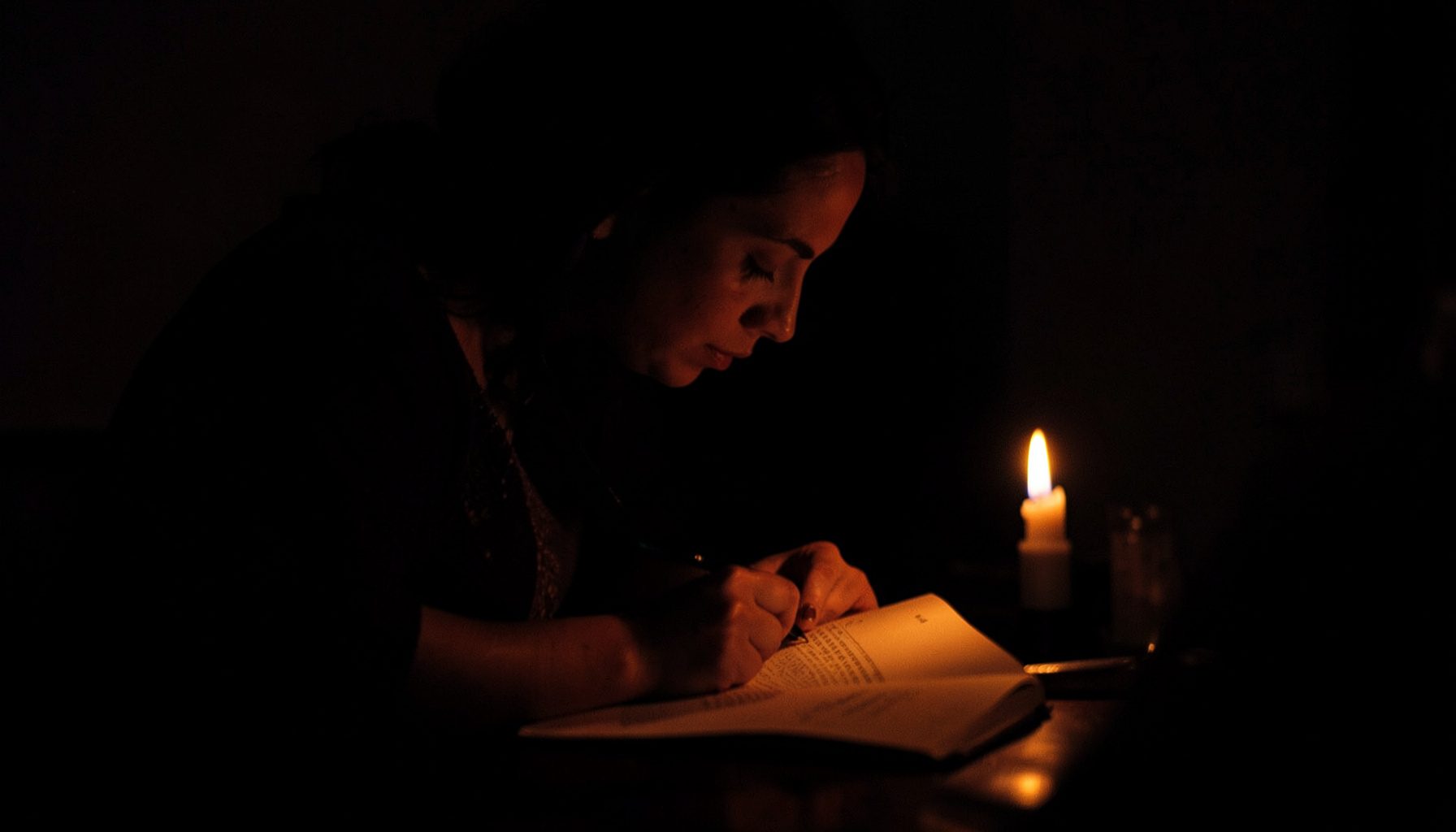
- Record a sentence about what the Spirit taught.
The most fruitful study may produce no dramatic moment. It may lead to a gentler response, a more deliberate family conversation or greater courage in an ordinary responsibility. Keep one written insight each week, and by the end of a school term you will have a practical record of how scripture is shaping daily covenant living.