



Helping your primary child know Jesus Christ personally
Helping your primary child develop a personal relationship with Jesus Christ is more than teaching words that sound holy. A child must come to trust Jesus as the Son of God, the Savior of the world, and the guide of their own life. Your role is to offer a warm home where faith can become real, personal, and daily.
In Australia, primary school commonly runs from Reception or Year 1 through Year 6, depending on the state. These are the years when habits, questions, and memories form quickly. Children notice what families celebrate and what they quietly ignore, so Scripture, prayer, service, and the testimony of believers can become ordinary expressions of a relationship with Christ.
A child's faith grows within a covenant home
The restored gospel gives families a clear centre. Jesus Christ is central to The Church of Jesus Christ of Latter-day Saints, and parents are charged to nurture their children in faith. Through baptism and the laying on of hands, children can receive the gift of the Holy Spirit. These sacred experiences support their growth, but they do not replace a child’s personal choice to follow Christ.
At drop-off in a Melbourne suburb, the playground, footpath, and crowded school entrance fill the morning with noise. A parent can turn that transition into a quiet moment: “Would you like to ask Jesus for a good day?” Mothers and fathers have distinct but complementary responsibilities, and children learn what family leadership looks like when kindness, faithfulness, and service are shared.
Make prayer personal, simple and consistent
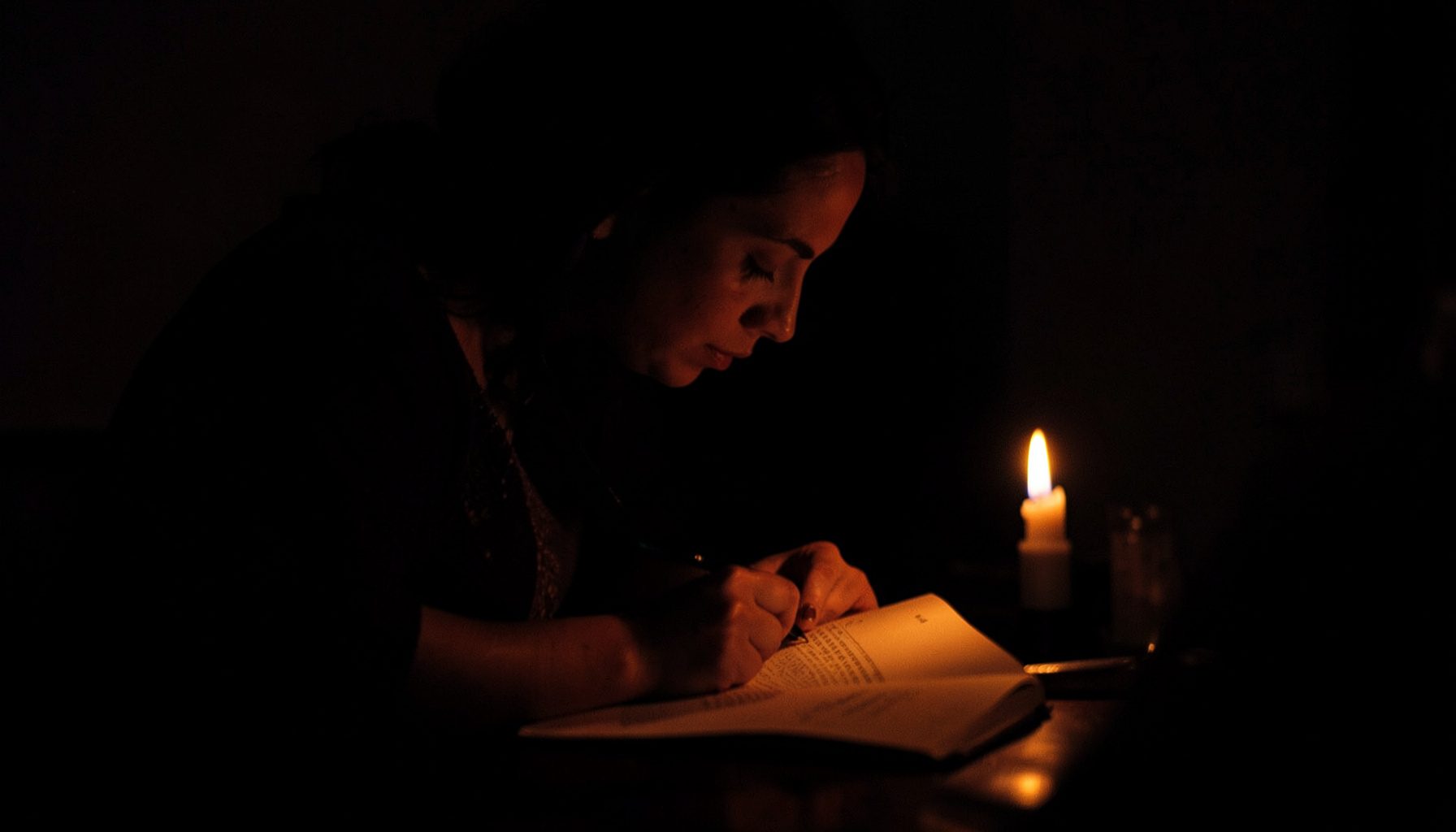
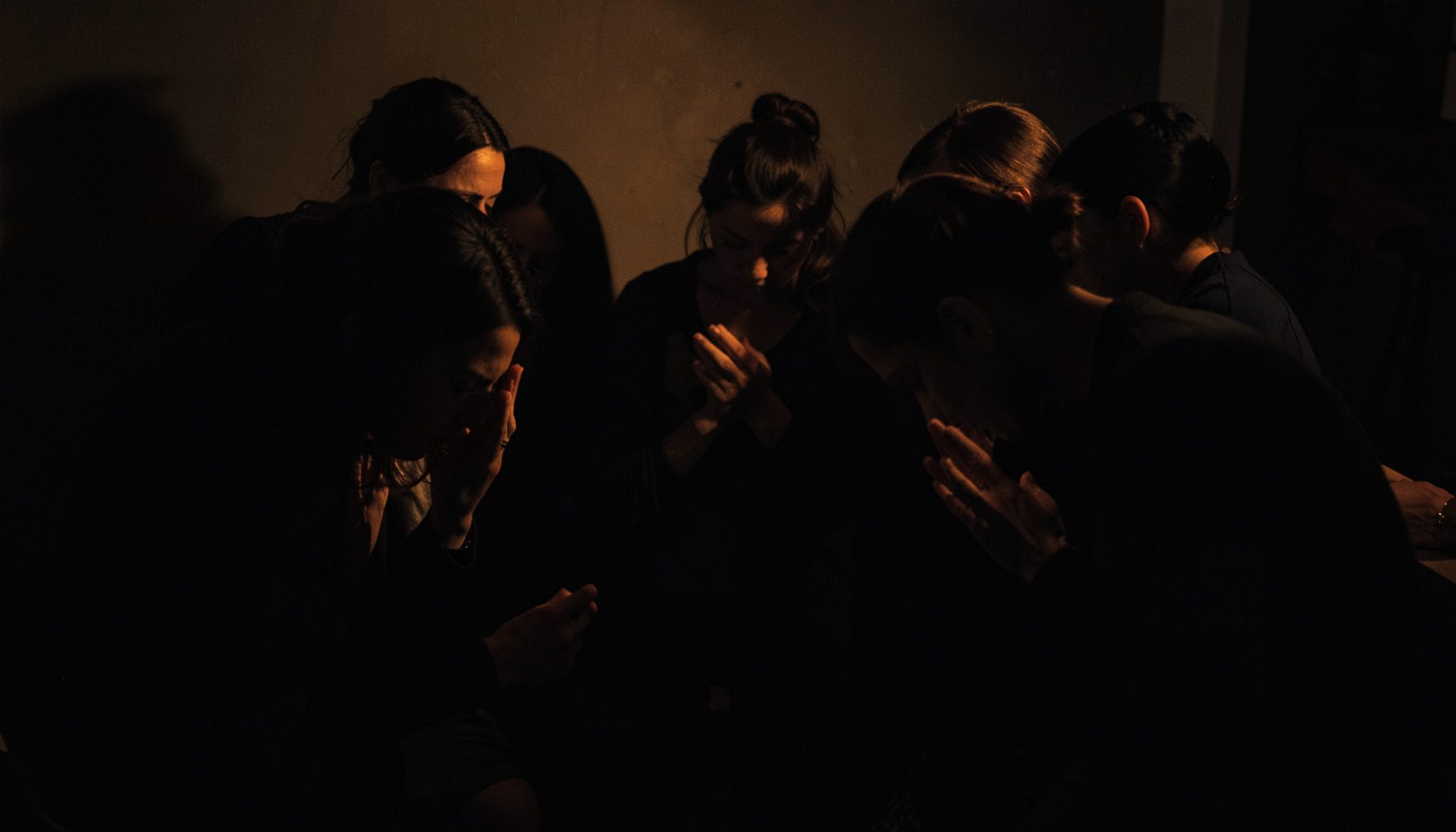
Prayer can be the heart of your child’s relationship with Jesus. Keep it concrete: ask Him for help with a worry, thank Him for something specific, and tell Him what they love about the world. Let your child address Jesus directly. The aim is trust, not a polished performance or a long religious vocabulary.
Children also need to hear that prayer is two-way. Pause after the request and allow space for gratitude, peace, or correction. A separate Mormon Women Stand article on preparing with purpose considers deliberate preparation; the same principle can make prayer a dependable family habit rather than an occasional event. Choose a time that already works—before the school run, after dinner, or at bedtime—and keep it short enough for reverence.
Let scripture become a conversation
Read the Bible and the Book of Mormon with your child, but make room for discovery. Ask what a passage says about Jesus, what it asks us to become, and how a choice would look that day. Stories about Zacchaeus or the Jaredites can become invitations to notice compassion, courage, faith, and repentance.
Children in primary classes often learn songs and simple ideas first, so let those lessons grow into deeper conversation. When your child sings “Jesus Loves the Little Children,” ask whom they can include in a prayer. During a Brisbane arvo, rain may interrupt the walk home; use that unplanned time to read a verse and discuss following Jesus. Listen more than you instruct, and let their questions have room.
Show the character of Christ through service
Christ’s character is easiest to recognise in service. Invite your child to help without seeking praise, to share, forgive, and notice someone who feels overlooked. These actions reflect the mercy and obedience Jesus teaches; they do not replace His atoning sacrifice. As a covenant woman, you can model steadfast love and guide a daughter toward wise service without making service a burden.
Service can grow from family habits. Let your child set places, care for a younger sibling, visit an elderly neighbour, or bring a meal to someone who is unwell. On Saturday, when footy or netball is on, talk afterwards about team spirit and fair play. At a community Bunnings sausage sizzle, children can help prepare supplies, greet customers, and serve food. Australian community life offers ordinary settings for gospel values to become visible.
Share faith, testimony and prophetic guidance
Share your own testimony. Tell your child how you have prayed, how you have been forgiven, and where you have felt guided toward goodness. Testimonies are not displays of perfection; they are honest accounts of Christ’s mercy and the journey of faith. Include the difficult parts, and your child will learn that repentance and perseverance are normal.
Family discussions can also include the Family Proclamation and messages from the prophet. Explain that marriage, family, and parental responsibility are gifts with sacred purposes, and that prophetic guidance helps Latter-day Saints remain grounded in restored truth. Australian families often say “good on you” after a thoughtful act; connect that warmth with a specific testimony of Christ. Mormon Women Stand brings readers and contributors together through personal essays and guest contributions; its contact page provides an opportunity to share your experience with the editors.
A practical rhythm for the family week
A useful rhythm should fit the pressures of Australian family life, including school traffic, work, sport, and holidays. It should not feel like a programme to pass or inspect. Let the practices guide you, then allow your child to adapt them according to age, temperament, and the needs of your family.
One verse, one short prayer, one act of service, and one weekly testimony can cover the essential habits of discipleship. Repetition matters more than novelty:
- Make morning prayer brief and specific, naming one school challenge and one thing to be grateful for.
- Read a short scripture passage together and ask one question about following Jesus.
- Include children in a Sunday worship conversation about what the gospel is teaching.
- Let your child perform one unseen act of kindness each week and reflect on it privately.
- Listen together to an address from the prophet and identify one family response.
- At week’s end, let each family member share a testimony, a question, and one act of faith.
These habits connect doctrine to home life. A child who prays, studies, serves, hears prophetic counsel, and shares testimony is learning to walk with Christ across the whole week. Let the child lead some choices so the relationship remains theirs, while adults keep providing loving direction.
Begin with one small family practice
Keep in mind that your child’s faith must take root in their own heart. Your examples, explanations, testimony, and prayers are essential supports, but the aim is for them to love Jesus, choose righteously, and remain receptive to the Holy Spirit. Keep the doors of faith open through unhurried conversation and honest prayer.
The next step is simple: sit beside your child’s bed tonight and let them tell Jesus one thing they are grateful for before sleeping.