



Gratitude When Life Feels Difficult
Cultivating a spirit of gratitude in difficult circumstances is a gospel practice, not a denial of sorrow. For Latter-day Saint women, thankfulness can mean recognising the Atonement of Jesus Christ, the mercy of our Heavenly Father, and the strength found in covenant commitments. It can coexist with grief, fatigue, uncertainty, and honest prayer.
Australian women often move between demanding roles: work, study, mothering, caring for extended family, and responsibilities in the Church. Add a wet commute in Sydney, smoke haze in regional Victoria, or a tight grocery budget, and gratitude can feel difficult to locate. Yet the ordinary blessings of safe travel, shared meals, and faithful friends are real, even when larger problems remain.
Gratitude is more than a feeling
Gratitude is more than a momentary positive feeling. It is a disciplined way of seeing, a spiritual habit strengthened through prayer and practice. The biblical command to rejoice, and the invitation in Doctrine and Covenants 78:19 to give thanks in every circumstance, call believers to direct their hearts toward God.
Gratitude does not require false optimism. A woman may thank God for receiving good medical care while grieving a diagnosis, or for a patient child while worrying about school costs. This honesty protects faith. It leaves room for repentance, practical help, and the counsel of trusted Church leaders when hardship runs deeper than a missed blessing.
Tears can coexist with thanks
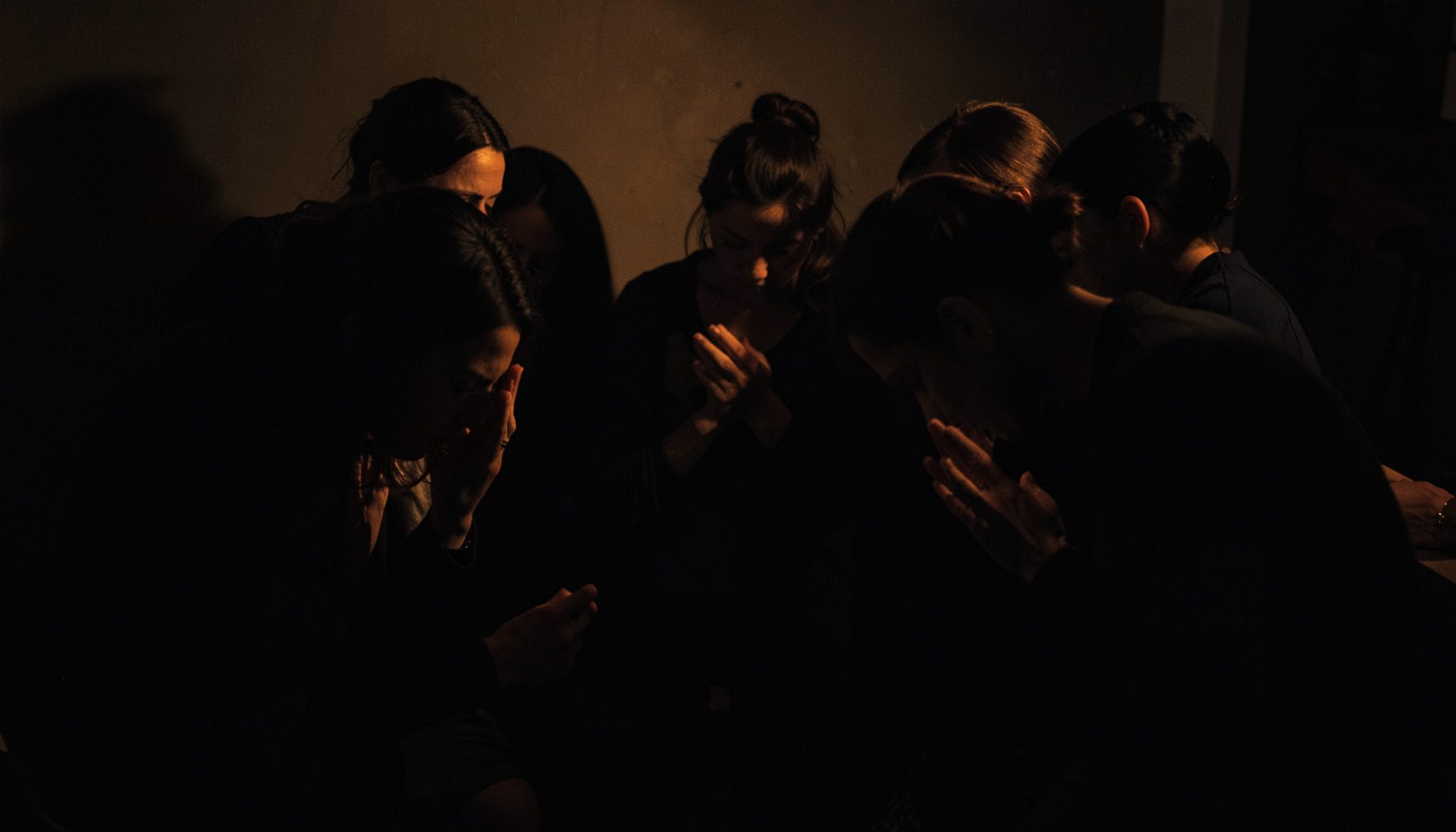
Tears and thanks can occupy the same heart. A missionary may miss a family meal, a mother may feel exhausted after a difficult day, and a newly widowed sister may still notice the sunset. These responses are not contradictions. Acknowledging pain prevents gratitude from becoming a mask that isolates someone who needs comfort.
Perseverance also means asking for help rather than performing strength. The Savior invited His disciples to be “heavy laden,” and Latter-day Saint teaching places repentance, forgiveness, and receiving the Atonement at the centre of healing. As trials deepen, gratitude can become quieter: thanks for one calm breath, one answered question, or the strength to try again tomorrow.
A covenant lens for difficult seasons
The Family Proclamation teaches that marriage, family, parenting, and the obligations of parents and children are central to Latter-day Saint identity. Covenant womanhood gives women a language for faithful motherhood, service, moral choices, and spiritual belonging, while the responsibilities of faithful men and the priesthood remain complementary. Prophetic guidance repeatedly calls families to build homes where faith is practised rather than merely discussed.
That wider picture can steady a woman who feels limited by circumstances she cannot change. The call to keep covenants includes ordinary decisions made badly: apologizing, correcting a child with patience, attending temple, honouring the Sabbath, and serving beyond the home. Personal witness can deepen this conversation. Readers with a story to offer may contact the editors and contribute to the shared space at Mormon Women Stand.
Simple habits that keep gratitude alive
A useful plan for gratitude must survive busy weeks, school runs, shift work, and the cost of living. It should also fit the rhythm of Church life, including prayer, scripture study, and the quiet opportunities found at home. The following practices turn a broad intention into actions that can be repeated.
- Name three specific gifts each evening, including people rather than possessions.
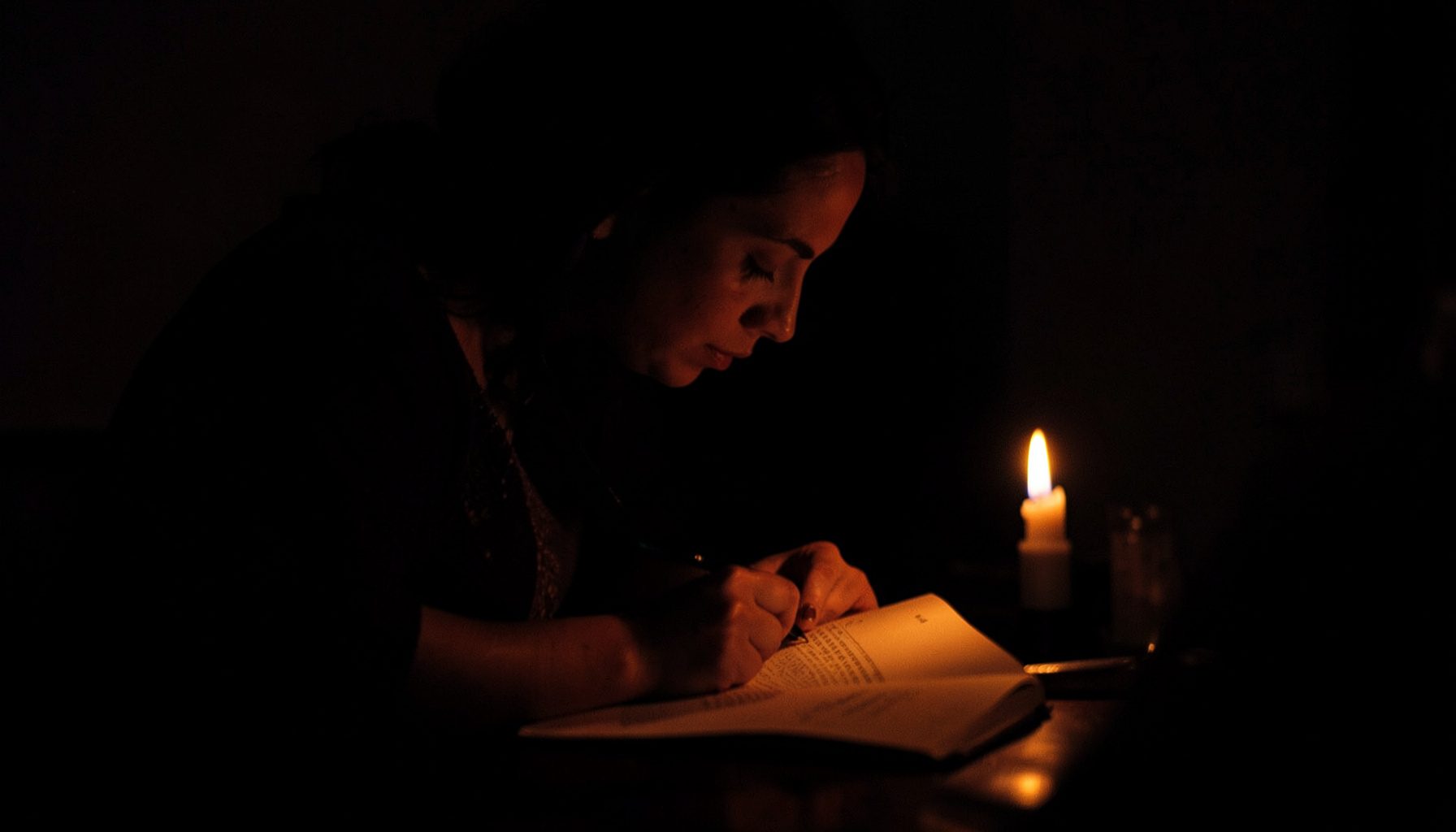
- Record one answer to prayer and one lesson learned from a setback.
- Read a short scripture with a family member and discuss what it asks you to become.
- Share gratitude through a message, a call, or a thoughtful note of appreciation.
- Give time, food, or practical assistance through an established community programme.
- Pause on the Sabbath to worship, rest, and recognise gifts received during the week.
Keep the practice gentle enough to continue during illness or grief. Missing a day does not erase earlier thankfulness; begin again without self-reproach. For women in Melbourne or Brisbane juggling work and family duties, attaching the record to an existing habit—after dinner or before bed—can make it easier. Consistency matters more than an impressive spiritual record.
Worship, memory and shared faith
Worship gathers gratitude into a shared story. At Sunday meetings across Australia, sacrament, choir music, family participation, and the message of the Gospel remind believers that individual faithfulness belongs to a community. Fast Sunday, Church conferences, and temple attendance can also provide perspective, while Easter services centre gratitude on the Resurrection and the promise that grief will not have the final word.
Family history and temple work deepen the habit of gratitude by connecting present struggles with generations who kept faith through wars, migration, scarcity, and grief. A study of covenant and promise can help readers understand the Abrahamic covenant as a foundation for enduring trust. Learning how earlier covenants were kept may reveal patterns of courage, obedience, and care that strengthen a woman facing her own uncertainty.
Turning thanks into service
Gratitude becomes durable when it travels outward. Church fast offerings, directed through local bishops, support practical needs in communities, while neighbours can help through schools, food programmes, and local charities. In areas touched by bushfires, drought, or flooding, a donated meal, a blood donation, or patient help with a property can turn inward relief into outward blessing.
Australian community life offers everyday settings for this response. At Melbourne’s Queen Victoria Market, volunteers can help distribute surplus food; a family can share produce from a Sunday barbecue; or a woman can give her time through a community centre. Even filling a trolley at Coles or Woolworths can prompt gratitude for access to food and wise care for resources. Teach children that thankfulness includes sharing, restraint, and responsible use.
Carrying gratitude forward
Faithful gratitude holds suffering and hope together. Because Latter-day Saint doctrine affirms the Resurrection, repentance, and the possibility of renewal, present trials need not define the whole story. Gratitude can acknowledge what hurts, ask for strength, and still look forward with confidence to the righteous colouring of the world God has promised.
One small practice can accompany the next hard day when it is placed where the family can see it. Tonight, open tomorrow’s note of thanks and write the name of one person whose help carried you through a difficult week.