
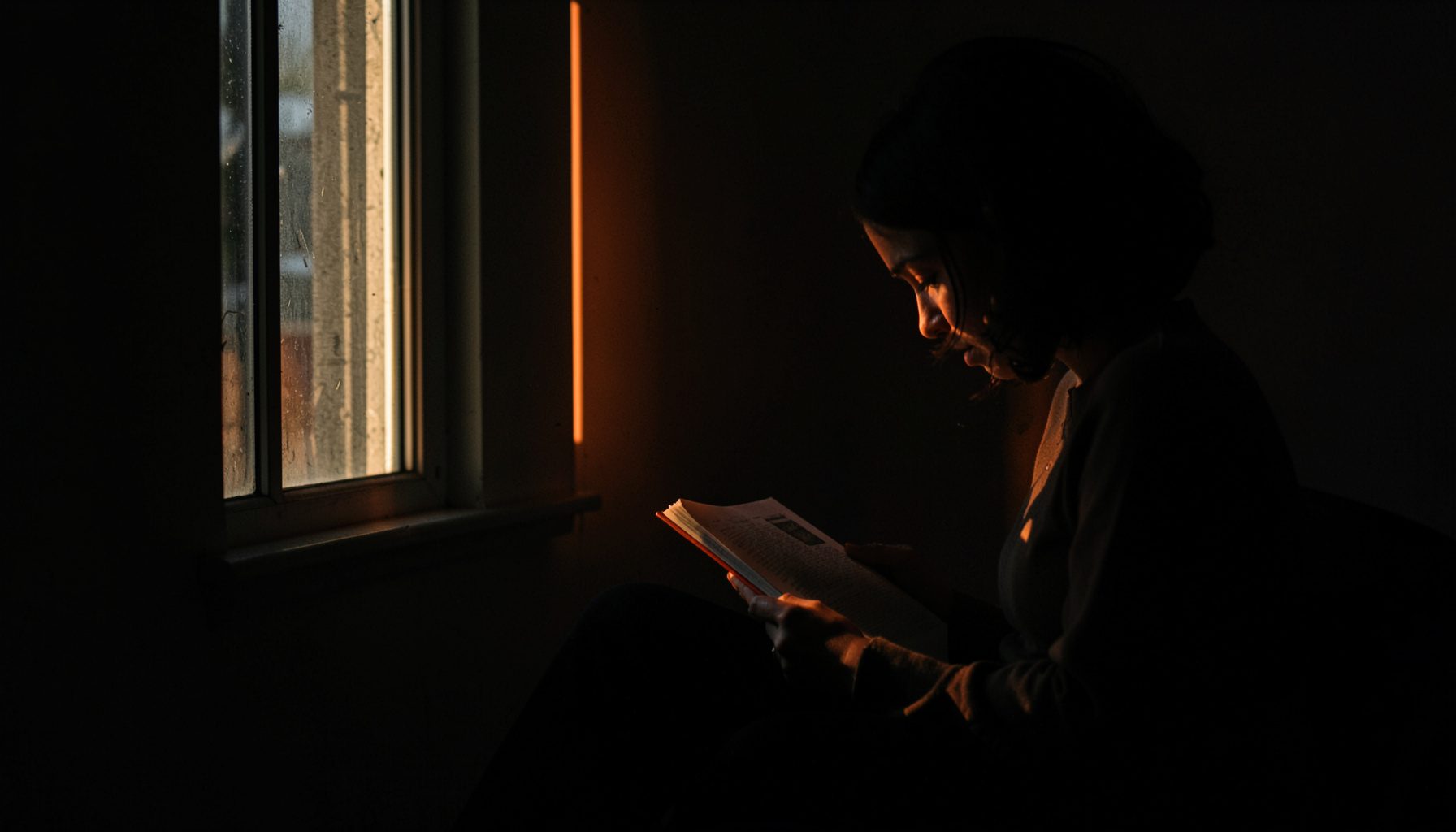
Building a testimony of the Book of Mormon one chapter at a time
The Book of Mormon can look daunting from the shelf: hundreds of pages, unfamiliar names, and a promise of something deeper than a readable story. Yet testimony rarely arrives through one dramatic moment. For many women, it grows as a chapter invites trust, a question becomes an honest prayer, and experience begins to fit within the gospel.
Reading the Book of Mormon chapter by chapter offers a patient way to build a testimony. It means receiving the book as scripture and a witness of Jesus Christ, testing its messages, and welcoming confirmation by the Holy Ghost. This confirmation rests beside reason and experience and within the teachings of Jesus Christ and the prophetic guidance given to Latter-day Saints.
A living witness begins with reading
Begin with what the book says instead of manufacturing a feeling before understanding its claims. The opening call in 2 Nephi speaks of a journey through darkness. Later accounts give us teachers, failures, deliverances, and renewed covenants, providing patterns by which ordinary faith can be tested.
One chapter can reveal the character of God, sharpen a question about repentance, show the cost of forgiveness, or give courage for a present choice. Slow reading keeps those threads connected. Ask, “What is this chapter asking me to believe, and how would I live if I believed it?”
Honest questions can deepen faith
Alma’s counsel to the people of Ammon is refreshingly honest: faith can grow without perfect understanding. Doubt does not disqualify a witness. It can send us back to the teachings, nearer to worthy friends, and more attentive to our assumptions. Prayer becomes listening for truth, not merely requesting a preferred answer.
Questions have a place in covenant womanhood and the Church’s teachings on family and gender. Supporting a husband, raising children, serving, or walking a single path does not require surrendering intellectual honesty or personal agency. A woman can fulfil those responsibilities and still ask hard questions. Her testimony remains her own, grounded in eternal truth and in harmony with the prophetic guidance of the Church.
From knowledge to spiritual witness
Study prepares the mind to recognise spiritual impressions, but it does not replace confirmation. Read a passage, meditate on its invitation, and notice what it teaches about Heavenly Father. The witness of the Spirit may bring conviction, comfort, strength, or a clearer desire to obey. Its purpose is to point us back to Christ and the restored gospel.
Discernment matters in what we read online as well as scripture. In Australia, sports-betting promotions and pokies are familiar parts of the commercial landscape. An article about an online gambling jackpot can illustrate why discernment matters: it may compete for attention without offering anything worth believing. Ask whether a source gives light, truth, and accountability rather than accepting a flashy promise.
Personal revelation belongs within that framework. It can clarify a choice or expose a motive, while revealed doctrine and prophetic counsel anchor it in the faith we share. Reading about Nephi, Aaron, Alma, and the courageous women in the book, we can ask whether private impressions align with the teachings of Jesus. That alignment strengthens confidence.
Learning beside other believers
Testimony grows in community. A Sunday ward or stake meeting, Relief Society lesson, family Home Evening, or seminar can give a new idea room to take root. Teaching what you have learned is useful: explaining a passage reveals whether you understood it, while another believer can correct what you missed.
Local geography shapes belonging. A Sydney family might rely on a train, and a Melbourne family a tram, to reach a gospel gathering; someone in regional Queensland may travel far to the nearest suitable meetinghouse. Online groups connect those distances. The Mormon Women Stand guest contributions page collects personal accounts of learning, doubt, and spiritual confirmation from women walking similar paths.
Diverse voices meet in the same rooms and conversations. Within the Church’s emphasis on the family and the Family Proclamation, these exchanges can strengthen covenant commitments at home and service beyond it. Sunday observance may require planning around Saturday sport, school events, and work rosters, but protected time for worship and family study keeps the Lord’s Sabbath central.
A practical rhythm for study and reflection
A workable routine protects reading from a crowded calendar. Between the school run, a quick trip to Coles or Woolworths, and household jobs, a short daily appointment can carry a chapter forward.
Use a simple weekly rhythm:
- Read one chapter slowly, marking a sentence that stands out.
- Say a brief prayer for understanding before and after reading.
- Record one idea in a notebook, phone, or family journal.
- Discuss one passage with a trusted friend or family member.
After reading, use these prompts to move from observation to witness:
- What does the chapter teach me about God’s character?
- Which person’s choice helps me see the gospel differently?
- What invitation to repent, forgive, or obey becomes clearer?
- How can this teaching strengthen my role as wife, mother, daughter, or single woman?
This rhythm need not feel impressive; it works through repetition. The aim is not a page count but successive chapters reshaping ordinary choices until experience points unmistakably toward Christ.
Keep the testimony growing
Return to chapters that challenged you. A first reading may offer plot; later readings uncover warning, mercy, and responsibility. As understanding deepens, revisit 2 Nephi, the teachings of Jesus Christ, and the witness you have received. A growing testimony remains anchored in the Book of Mormon, the Bible, and the Church’s continuing prophetic guidance.
The deepest evidence is often a changed life. You may forgive sooner, recognise a spiritual gift, choose a more faithful path, or feel greater confidence in your identity as a covenant woman. These experiences are personal, yet they belong to the community of believers, the ordinances of the gospel, and the mission of the Church.
Remember that a testimony can be cultivated without pressure or spectacle. One chapter, one sincere question, and one act of obedience may begin a cycle lasting years. The Book of Mormon becomes a living witness when its truths are read, tested, obeyed, and felt within the expanding circle of faith.